Where is the best place to do a wine tour in Italy?
An honest comparison of Tuscany, Piedmont and Veneto for wine tours, with the case for basing yourself in Verona: three DOC zones inside 40 minutes of a mainline rail city.
Where is the best place to do a wine tour in Italy?
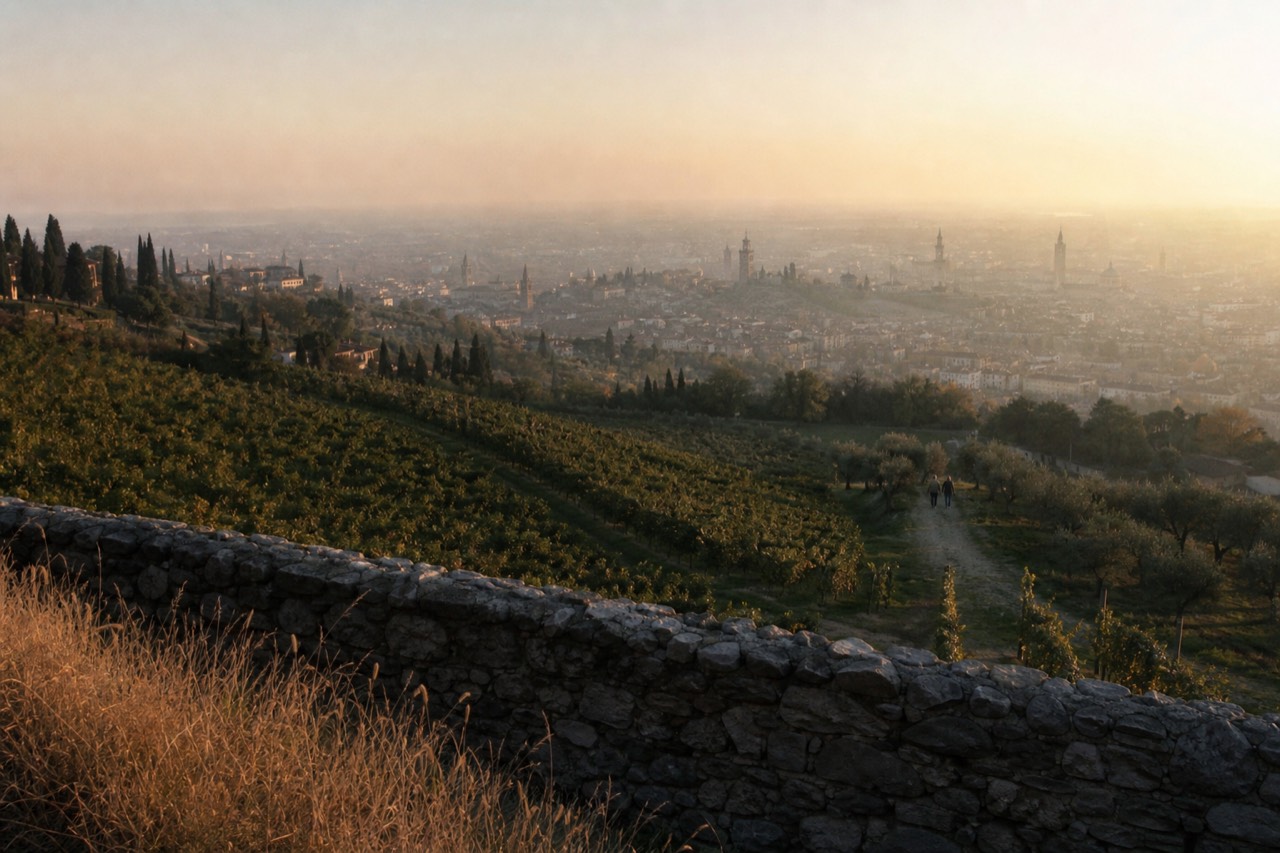
The best place to do a wine tour in Italy is Verona, in the Veneto, because it is the only major wine city where three DOC zones sit within about 40 minutes of a mainline rail station. Valpolicella, Soave and the Garda wine hills are all reachable from one base, and Venice is about 70 minutes away by high-speed train.
That claim needs unpacking, because "best" depends on what you want. Tuscany has the most famous names, Piedmont has the most serious collectors, and both are superb. But for a traveller who wants to taste a lot of wine in a short trip, without driving, the geography around Verona is unmatched. Negrar, the heart of Valpolicella, is 14 km from the centre; Soave is 31 km; Bardolino on Lake Garda is 38 km. A single week based in the city can cover Amarone, Ripasso, Garganega, Bardolino, Chiaretto, Lugana and Custoza, all by tour, train or a short taxi ride.
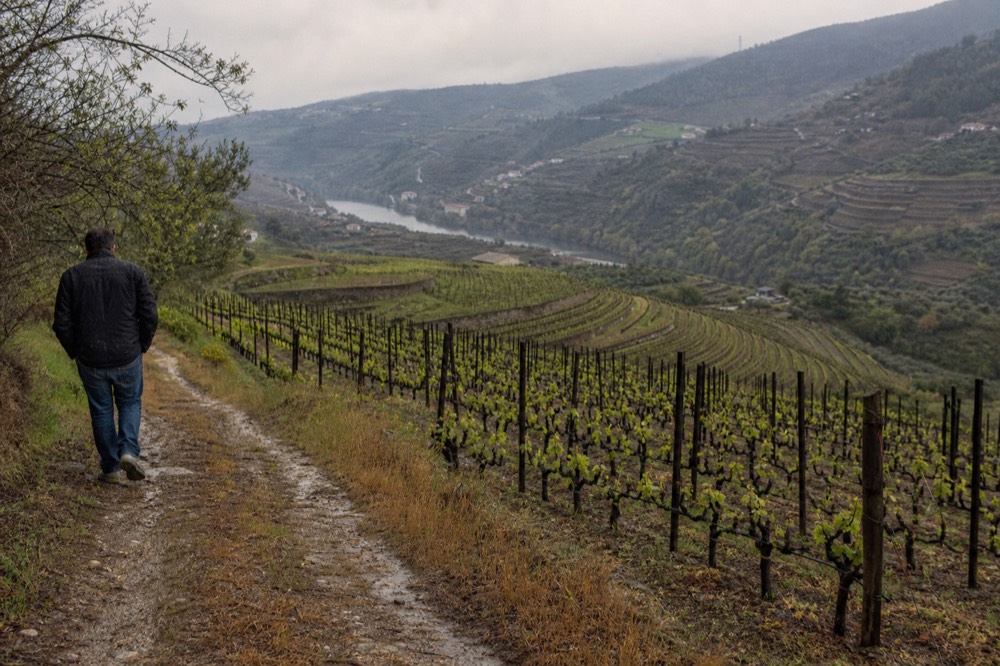
The practical point is access. Most Tuscan and Piedmontese estates sit in countryside where a car is close to mandatory, and the famous villages are an hour or more from the nearest useful station. Around Verona the wine country starts at the edge of the city bus network. This site, Verona Wine Tours, exists precisely because that density is unusual, and the tours below show the range of formats available from the city or from Venice.
What are the top 3 wine regions in Italy?
The top three wine regions in Italy for visitors are Tuscany, Piedmont and Veneto. Tuscany leads on international fame with Chianti, Montalcino and Montepulciano; Piedmont leads on prestige with Barolo and Barbaresco; Veneto leads on volume, variety and ease of access, producing more bottled DOC wine than either.
Each region rewards a different kind of traveller. Tuscany is the one most people have already pictured: cypress-lined roads, hilltop villages, Sangiovese in every glass. Piedmont is quieter and more food-centred, truffle country, where the tasting rooms feel like family kitchens. Veneto is the workhorse of Italian wine and, for tourists, the easiest to actually get into: the wineries are closer to the cities, the tasting fees are lower, and the styles on offer range from light Bardolino to the dense, dried-grape Amarone.
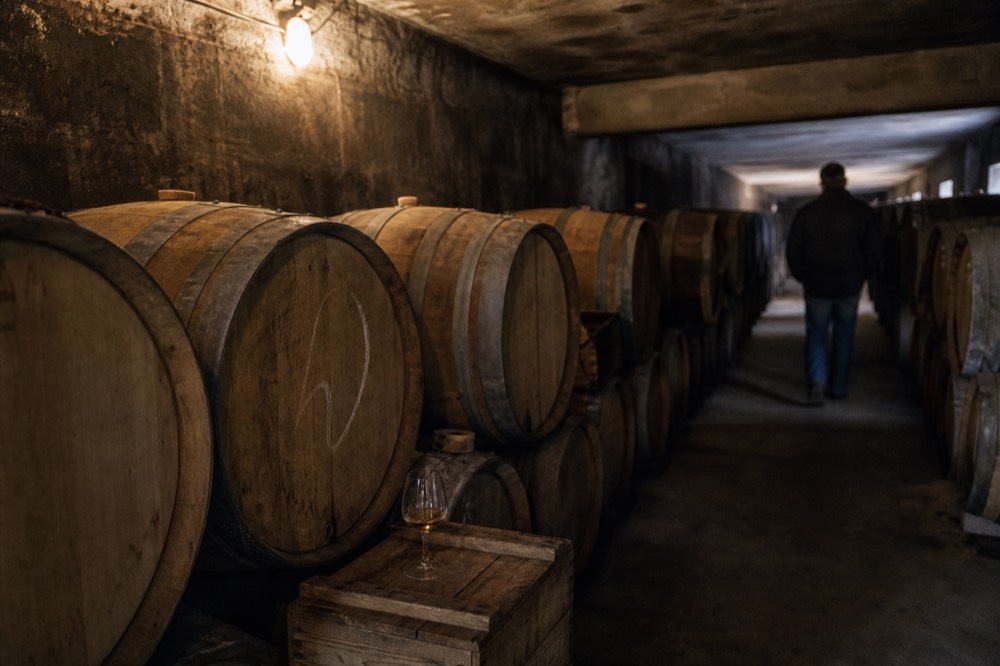
Here is the honest comparison, region by region:
| Factor | Tuscany | Piedmont | Veneto (Verona) |
|---|---|---|---|
| Signature wines | Chianti Classico, Brunello, Vino Nobile | Barolo, Barbaresco, Barbaresco-area whites | Amarone, Ripasso, Soave, Bardolino, Lugana |
| Nearest big-city base | Florence | Turin | Verona |
| Wineries without a car | Hard outside Chianti day tours | Hard; spread over the Langhe hills | Easy; tours with pickup, plus wineries on bus and rail lines |
| Typical cellar tour + tasting fee | Varies by estate; check the winery | Varies by estate; check the winery | EUR 25-80 per person, typical 40-60 (checked September 2026) |
| Crowds at famous estates | Heavy in summer | Moderate | Moderate, lighter than Chianti |
| Styles covered in one day | Reds, mostly Sangiovese | Reds and serious whites | Full ladder: light red, white, rose, dried-grape red, sweet |
One caveat on that table: fee ranges are planning figures drawn from the estates' own published menus, and individual producers vary. Tommasi in Valpolicella, for example, publishes a ladder from EUR 25 for a basic tasting up to EUR 120 for an Amarone vertical (checked September 2026), while Tedeschi's entry visit is EUR 28 with full refund up to 48 hours before (checked September 2026). Always check the estate's own page before assuming a number.
If tasting fee matters to you, the guided options are also cheaper in the Veneto. A sommelier-led cellar tour and tasting at a historic Bertani family villa in Marano di Valpolicella runs from around $42 (checked September 2026), and a winery-direct tasting of four organic Soave wines with a platter runs from around $34 (checked September 2026). Comparable Chianti experiences typically cost more.
A practical way to use the table is to match it to your travel style rather than to the wine itself. If you are renting a car and want the classic Tuscan photographs, accept the higher fees and summer crowds as the price of the scenery. If you are travelling without a car, the Veneto column is the decisive one: Verona-area estates sit on bus and rail lines, and organised tours include pickup, so you can build a full day of tasting around light reds, whites, rose, dried-grape reds and even sweet styles without ever getting behind the wheel.
Budget-wise, the spread within a single region can be as wide as the spread between regions. Tommasi's published ladder runs from EUR 25 to EUR 120, which means a Valpolicella visit can cost as little as the bottom of the Veneto range or more than the top of the Chianti range. Tedeschi's EUR 28 entry visit, with a full refund available up to 48 hours before, is a useful benchmark for flexible planning: book early, and cancel without penalty if your itinerary shifts.
One last note on timing. The fee figures above were checked in September 2026, and estates update their menus regularly, so treat every number here as a starting point and confirm on the producer's own page before you go.
Why does access matter more than reputation?
Access matters more than reputation because a wine tour you can actually reach beats a famous one you cannot. A region where three denominations sit inside 40 minutes of a mainline station lets you taste before lunch and be back for dinner, with no rental car, no mountain roads and no designated-driver problem.
Italy's drink-driving limit is 0.5 g/l, and it is zero for drivers under 21, anyone in the first three years of a B licence, and professional drivers. The fines are serious: EUR 543 to 2,170 plus a three to six month licence suspension in the 0.5 to 0.8 band, and criminal penalties above that. This is a fixed legal fact, not a season-dependent figure, and it shapes the whole question. In Tuscany and Piedmont, where the wineries are scattered across hills, the realistic choices are a guided tour with a driver or a self-imposed one-sip rule. Around Verona, the geography does the work for you.
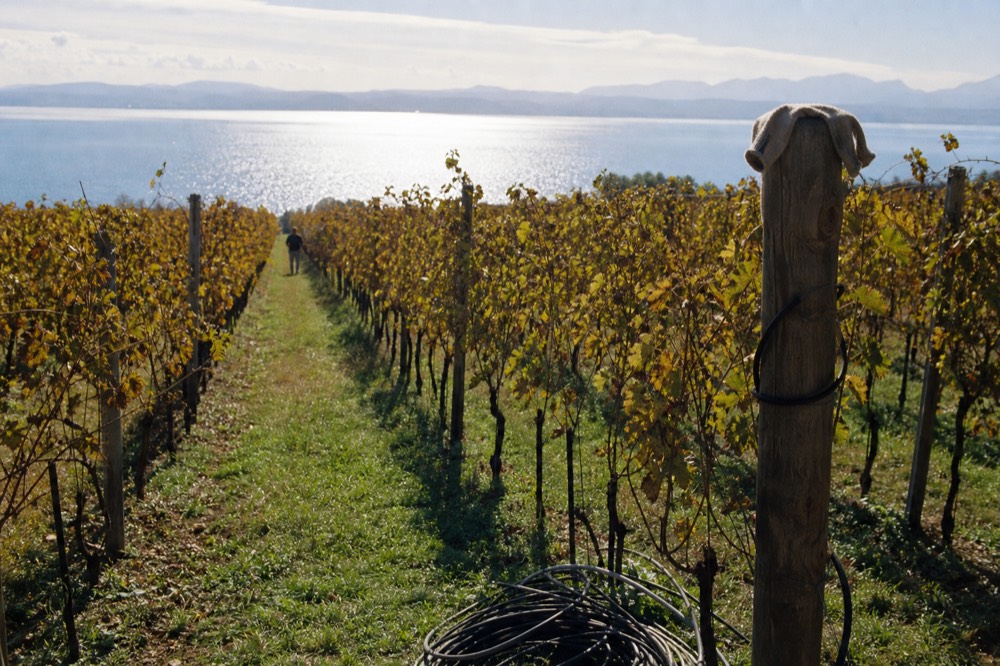
The Veneto's density is not a marketing line, it is measurable. From central Verona, driving times are roughly 20 minutes to Negrar, 23 minutes to San Pietro in Cariano, 28 minutes to Soave and 38 minutes to Bardolino, and the regional train covers Verona to Peschiera del Garda, on the lake's wine shore, in about 13 minutes. The Lake Garda wine tour guide covers the lake side in detail, and the Soave wine tour guide covers the white-wine valley.
Can you do a wine tour as a day trip from Venice?
Yes. Venice to Verona takes about 70 minutes by high-speed train, and several tours pick up directly in Venice, so a full wine day in Valpolicella and Soave is possible without an overnight. Private options from Venice run a full 8-hour day visiting two wineries, with lunch.
This is where the Veneto's case becomes overwhelming for anyone already staying on the lagoon. A private 8-hour day from Venice, with hotel pickup, visits two small family-run wineries, one in Soave and one in Valpolicella, with a light lunch of salami, cheese and pizza; it holds a 5.0 rating across 42 reviews and costs from around $280 per person, with the live booking page showing the current price before you reserve (checked September 2026).
The premium alternative is a full Amarone day from Venice, Padua or Verona with hotel pickup: two cantina visits, five Valpolicella wines paired with cheese, and a trattoria lunch with antipasto, a first course, dessert, wine and coffee. It carries a 5.0 rating across 37 reviews and runs from around $632 per person, the most expensive product in this set, and it earns that price by compressing the whole Amarone story into one day (checked September 2026).
Travellers coming from Milan have a similar option: the high-speed train covers Milan to Verona in about 70 minutes, so the same day-trip logic applies (see Is Verona worth a day trip from Milan?). If you would rather stay in Verona itself, the day trips from Verona guide maps the options that do not require a tour at all.
What does a wine tour cost in each region?
A guided wine tour in the Veneto costs from around $34 (checked September 2026) for a winery-direct tasting to around $632 for a premium full day from Venice. Tuscany and Piedmont tours generally start higher and climb faster, because transport distances are longer and prestige fees are steeper.
Cost breaks into three layers: the tasting itself, the transport, and the format. The tasting layer is cheapest in the Veneto, as the fee table above shows. The transport layer is also cheapest, because the distances are short: a shared half-day tour with hotel pickup in Verona that walks you through the full Valpolicella ladder, from the basic red through Ripasso to Amarone and Recioto, runs from around $105 (checked September 2026). In Tuscany, the equivalent shared half-day with transport typically costs more because the drive alone eats an hour each way.
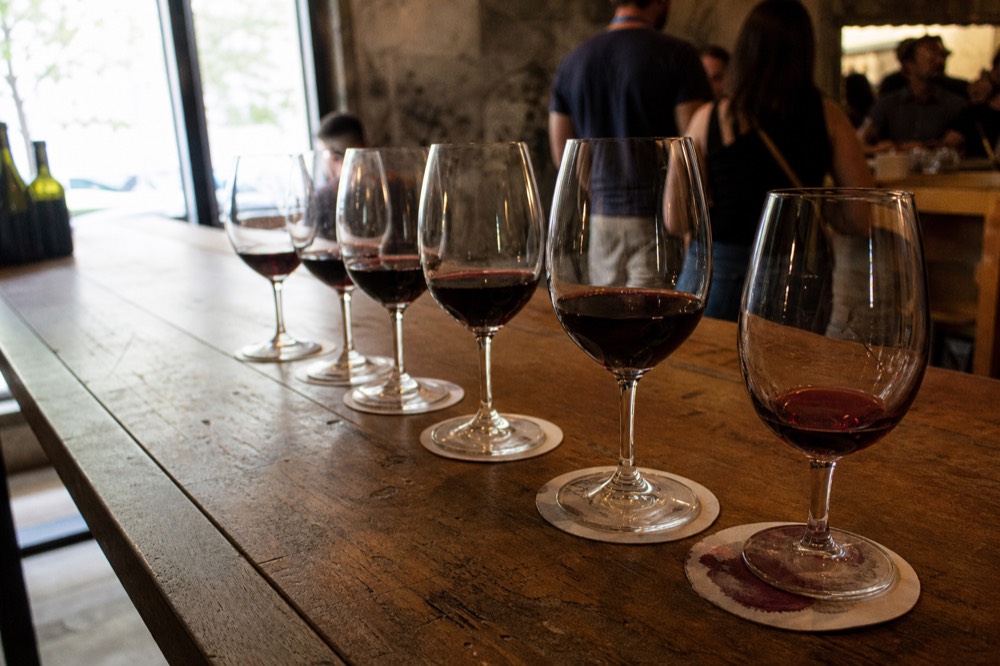
The format layer is where the money goes. A small-group grand tour with two wineries, an Amarone focus and a traditional light lunch with DOP cheese, salami, chocolate and cake runs from around $246, holds a 4.9 rating across 170 reviews, and caps the group at 12 travellers (checked September 2026). For comparison, the why Amarone is so expensive explainer breaks down why the wine in your glass carries its own premium.
There is also a self-guided middle path worth knowing about. A self-guided e-bike half-day from a meeting point in Verona, with four glasses including Amarone and a cheese and salami appetizer, runs from around $110 and carries a 4.8 rating across 82 reviews (checked September 2026). It suits confident riders who want the vineyard lanes to themselves, and it costs less than most guided formats with transport. The trade-off is navigation: you follow a set route rather than a guide's commentary, and the Amarone you taste arrives without the cellar story attached.
When is the best time of year for a wine tour in Italy?
The best months for a wine tour in Italy are May, June, September and early October. In the Verona area, July is the hottest month with a mean maximum of 30.4 C, and November is the wettest at 85 mm, so late spring and early autumn give comfortable cellar weather without the peak crowds.
September has a special draw: harvest. In 2026 picking in Valpolicella began about two weeks early, in late August, because of summer heat, and the region capped yields at 10 tonnes per hectare. Seeing the harvest is a matter of timing and luck, but the grape festivals are fixed calendar events: Bardolino's Festa dell'Uva e del Vino runs 1-5 October 2026, and Soave's Festa dell'Uva takes place the third weekend of September. August is the month locals avoid for tasting-room visits, partly for the heat and partly because some estates slow down.
Spring has its own advantages. The vines are green from late April, the tasting rooms are quieter than in July, and the lake ferries are running on their summer timetable from 1 April, with a whole-lake day ticket at EUR 39.50 (checked September 2026), which matters if you plan to combine Bardolino or Sirmione with a winery stop. Winter is the sleeper season: cellars are open, the Amarone from the newest released vintage is often pouring, and the city itself is calm, though some smaller estates run reduced hours.
Whichever window you pick, the same three formats dominate the shortlist: a private day covering both valleys, a premium Amarone day, or a small-group grand tour with lunch. Here they are together:
The best place is Verona in the Veneto, where three DOC zones sit within about 40 minutes of a mainline rail station, Venice is about 70 minutes away by train, and tours with pickup start from around $105. Tuscany and Piedmont are equally serious wine regions but harder to visit without a car. (checked September 2026)
Common questions about wine tours in Italy
Where is the best place to do a wine tour in Italy?
Verona, in the Veneto, is the most practical base: Valpolicella, Soave and the Garda hills all sit within about 40 minutes of a mainline rail city, and Venice is about 70 minutes away by train. Tuscany and Piedmont are equally serious wine countries but harder to visit without a car.
What are the top 3 wine regions in Italy?
Tuscany, Piedmont and Veneto. Tuscany leads on fame, Piedmont on prestige, and Veneto on volume, variety and ease of access for visitors.
Can you do a wine tour as a day trip from Venice?
Yes. Venice to Verona takes about 70 minutes by high-speed train, and several tours offer pickup directly in Venice, including private full-day options visiting wineries in Soave and Valpolicella with lunch.
Do you need a car for a wine tour in Italy?
Not around Verona. Many tours include hotel pickup or meeting-point transport, and some wineries are reachable by bus or regional train. In Tuscany and Piedmont a car or a guided tour with a driver is close to mandatory, and Italy's 0.5 g/l drink-driving limit makes self-driving to tastings a poor plan.
How much does a wine tour in Italy cost?
In the Verona area, winery-direct tastings start from around $34 and guided tours with transport run from around $105 for a shared half-day to around $632 per person for a premium full day from Venice (checked September 2026). Estate cellar tours and tastings typically run EUR 25-80 per person.
When is the best time of year for a wine tour in Italy?
May, June, September and early October. Around Verona, July averages a 30.4 C maximum and November is the wettest month, so spring and early autumn are the comfortable windows, with harvest activity in September and grape festivals into October.