Choosing a Valpolicella wine tour from Verona: formats, prices and pickup compared
Five tours in four formats reach the Valpolicella hills from Verona, from a $42 cellar visit to a $419 private day. This guide compares them side by side, maps which ones actually enter the Classico communes, and explains why the 0.5 g/l driving limit settles the transport question.
Short answer
A small-group half-day Valpolicella wine tour with transport from Verona runs from about $105 to $145 per person (checked September 2026), visits two wineries and pours the full ladder from Valpolicella to Amarone. Full-day tours with lunch run from about $246, winery-direct visits from about $42, and private days from around $419. Transport-inclusive tours are the practical choice because Italy's drink-drive limit is 0.5 g/l.
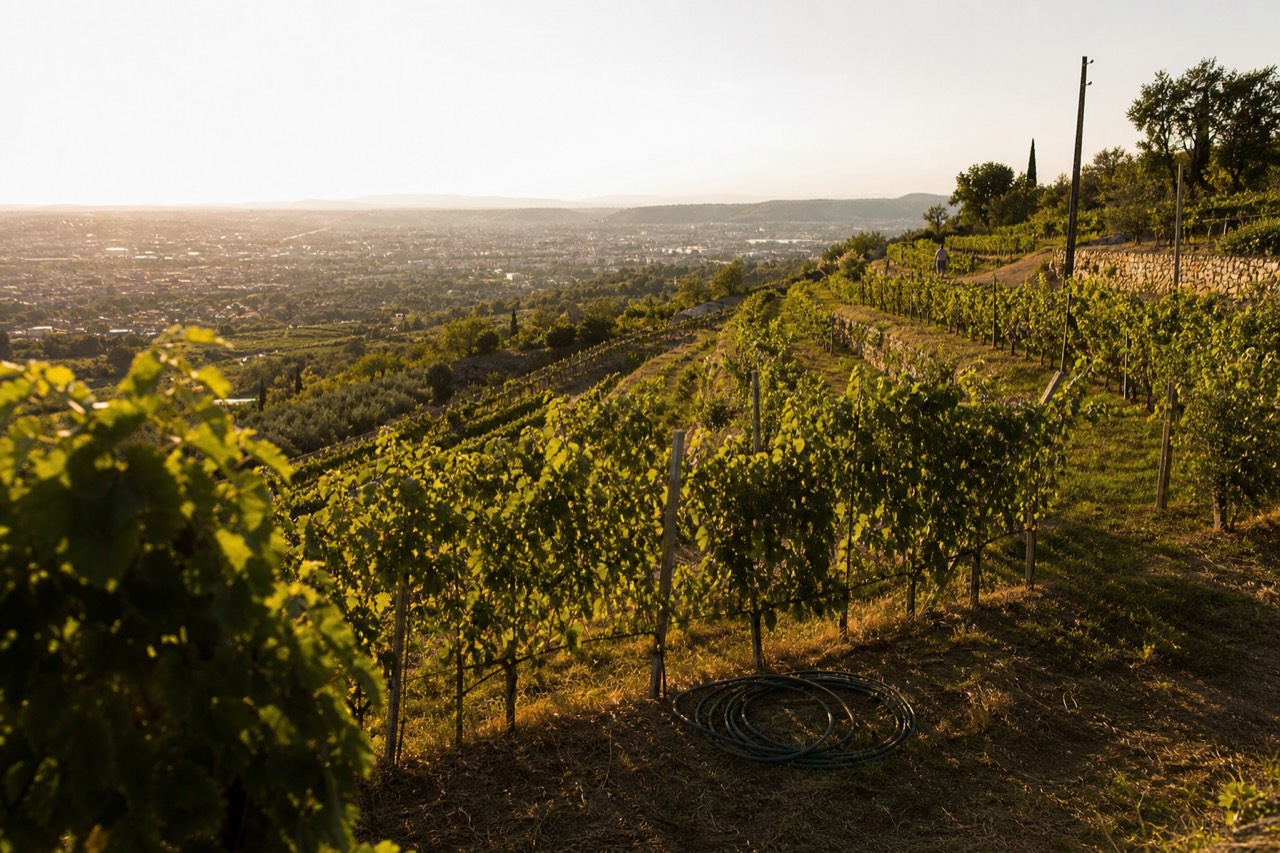
The Valpolicella hills begin about 20 minutes from Piazza Bra, and they are the closest serious wine country to Verona: five Classico communes, a drying technique that turns fresh Corvina into Amarone, and more cellar doors per square kilometre than almost anywhere in the Veneto (see Verona Cooking Class: Food and Wine Experiences in the Veneto Countryside). The hard part is not getting there. It is choosing between the formats, because the price spread is enormous, from a $42 shared cellar visit to a $419 private day, and the differences between them are not obvious from a listing page (checked September 2026).
This guide compares the four main formats side by side, half-day with transport, full-day with lunch, winery-direct visits you drive to yourself, and private days, then answers the questions that decide the choice: which tours actually enter the Classico zone, what a standard two-tasting flight pours, how far each destination is from central Verona, and why Italy's 0.5 g/l blood-alcohol limit makes the transport question more than a convenience.
What does a Valpolicella wine tour include?
A Valpolicella wine tour pairs at least one guided cellar visit with a structured tasting of the denomination's wines, most often Valpolicella, Ripasso, Amarone and sometimes Recioto, and the format determines everything else: whether transport from Verona is included, how many wineries you see, whether food is served, and how many hours you spend. Tours with transport typically run 4 to 5 hours and visit two estates; winery-direct visits are shorter, often 90 minutes to 2 hours, and you arrive under your own arrangements; full-day formats add a sit-down lunch.
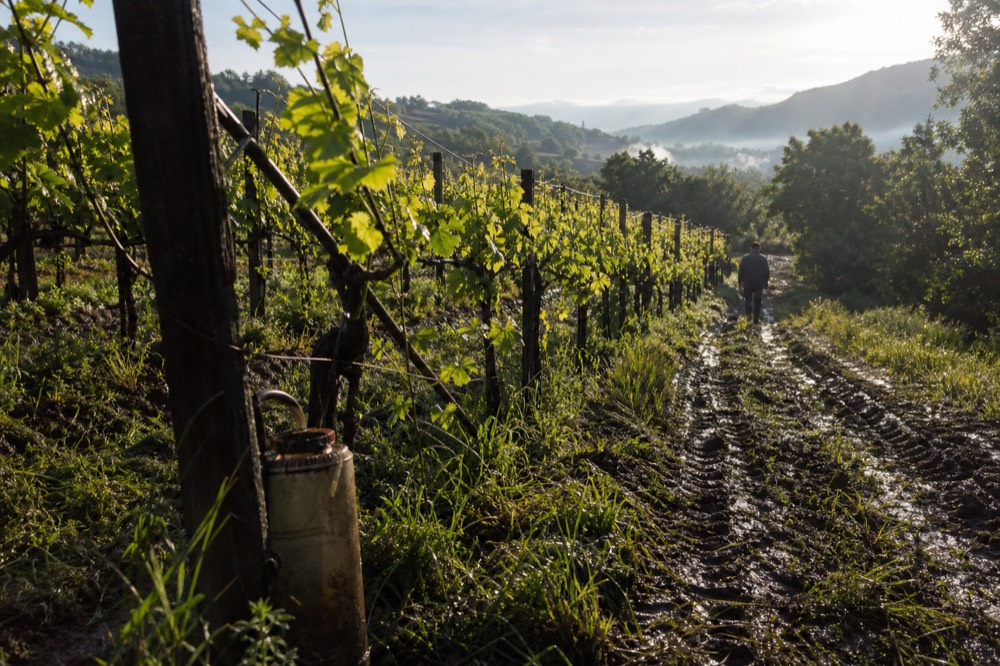
The denomination itself is what makes the tours interesting. Valpolicella is not one wine but a ladder: the basic DOC red, the Ripasso made by re-fermenting that wine on Amarone marc, Amarone itself from dried grapes, and Recioto, the sweet version. A good tour explains the appassimento process, the air-drying of grapes from harvest until a pressing that the rules forbid before 1 December, and shows you the drying lofts where it happens. You can read the full background in our guide to the Valpolicella wine styles.
What varies wildly is the ratio of driving to drinking. A half-day small-group tour from Verona spends roughly half its time in the hills and half on the road. A winery-direct visit puts every minute inside a cellar but leaves you with a rental car or a taxi at the end of a tasting, which is the problem we come back to below.
Half-day, full-day, winery-direct or private: how the formats compare
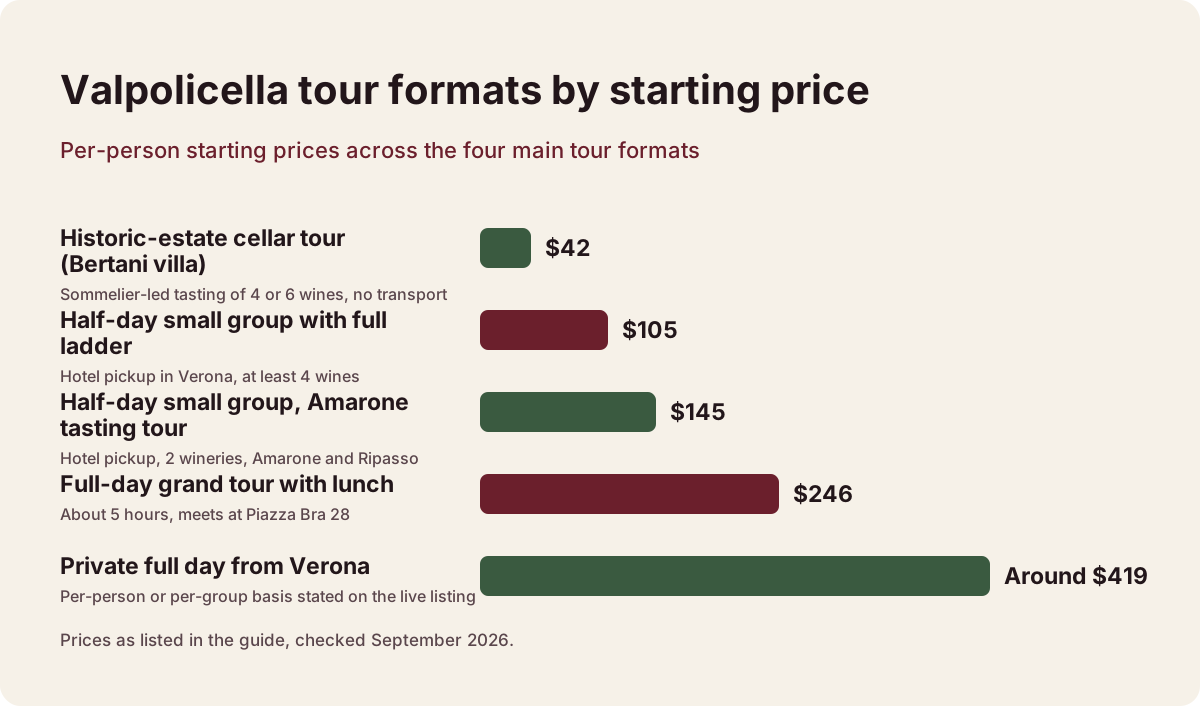
Half-day small-group tours with transport from Verona run from about $105 to $145 per person (checked September 2026), full-day tours with lunch from about $246, winery-direct visits from about $42, and private full days from around $419, with the private listings' per-person or per-group basis stated on the live listing (all checked September 2026). The cheapest option is not the best value for everyone: the $42 cellar visit includes no transport, while the $145 half-day includes hotel pickup, two wineries and two tastings.
Here is the side-by-side, using the figures from our verified tour roster.
| Format and tour | From (per person) | Length | Pickup | Wineries | What is poured |
|---|---|---|---|---|---|
| Half-day small group, Amarone tasting tour from Verona | $145 (checked September 2026) | Half-day | Hotel pickup in Verona | 2 | Amarone and Ripasso among two tastings |
| Half-day small group with full ladder | $105 (checked September 2026) | Half-day | Hotel pickup in Verona | Not stated on the listing | At least 4 Valpolicella wines: Valpolicella, Ripasso, Amarone, Recioto, with bread, cheese and/or salami |
| Full-day grand tour with lunch | $246 (checked September 2026) | About 5 hours | Meets at Piazza Bra 28 | 2 | Amarone focus, light lunch plus DOP cheese, salami, chocolate and cake |
| Historic-estate cellar tour, Bertani family villa | $42 (checked September 2026) | Duration on the listing | Check the listing for the pickup option | 1 | Sommelier-led tasting of 4 or 6 wines |
| Private full day from Verona | Around $419 per person; the live listing has the current figure and full inclusions | Full day | Verona meeting point | Multiple | Minimum two Ripasso and two Amarone, full paired lunch |
The pattern in the table is consistent: you pay for wheels and hours, not for better wine. The $42 (checked September 2026) estate visit pours a sommelier-led flight at a historic property in Marano di Valpolicella and is the cheapest Amarone cellar visit in our set, but the listing mentions pickup and drop-off only as an option you must check. The $105 and $145 (checked September 2026) half-days both solve the transport problem and both are flagged by their operators as often selling out, so early booking matters more than format loyalty.
For a first Valpolicella day, the default recommendation in our roster is the small-group Amarone tasting tour from Verona at from $145 per person (checked September 2026), a B-Corp-certified operator running 4.9 across over 760 reviews, with hotel pickup, two wineries and tastings that include Amarone and Ripasso. If your priority is tasting the full four-style ladder in one sitting, the $105 half-day is the one built for exactly that, with at least four Valpolicella wines poured alongside bread, cheese and/or salami. If you want lunch and a longer day, the grand tour at from $246 (checked September 2026) adds a traditional light lunch and DOP cheese, salami, chocolate and cake tastings, meeting at Piazza Bra with a maximum of 12 travellers.
Which tours actually enter the Valpolicella Classico zone?
The Classico zone covers five communes, Negrar, Marano di Valpolicella, Fumane, Sant'Ambrogio di Valpolicella and San Pietro in Cariano, with Valpantena a separate named sub-zone, and of the tours here only the $42 Bertani-villa estate visit in Marano is placed inside it by its listing; check the other itineraries. (checked September 2026) Not every product sold as a Valpolicella tour enters the historic heart; some stop at estates in the wider DOC zone, which is larger and younger.
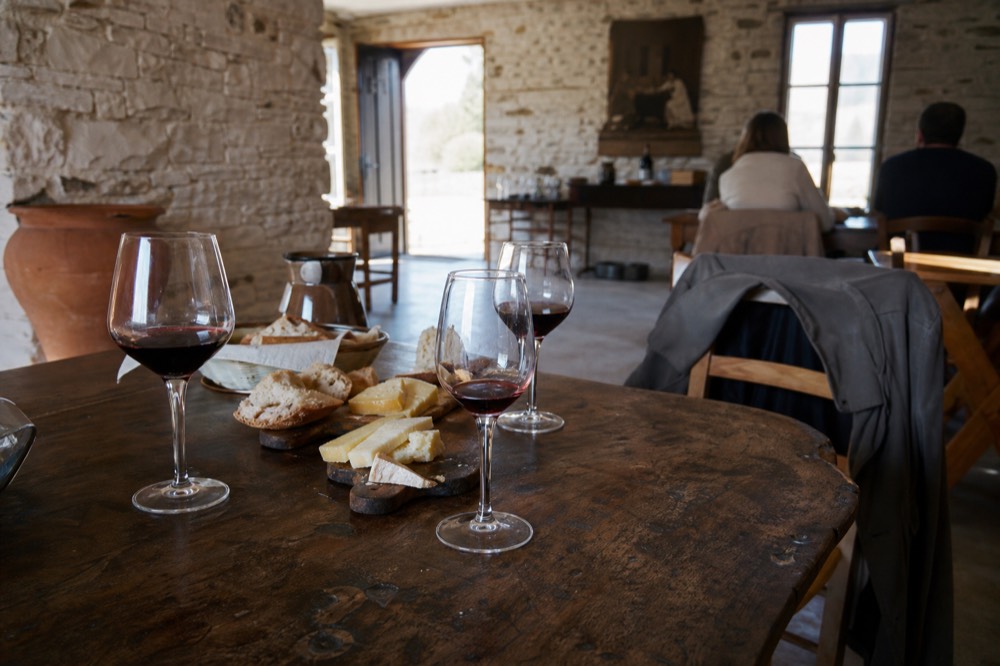
Why does Classico matter? The five communes hold the oldest pergola-trained vineyards and most of the famous names, and the hillside sites there produce the grapes that go into the top Amarone. The wider DOC, extended beyond the original hills over the course of the denomination's history, is flatter, younger and geared to the basic Valpolicella blend. A tour inside the Classico zone gives you the postcard Valpolicella: dry-stone terraces, pergolas and cellar doors cut into hillsides. Our guide to the Amarone wineries to visit covers which named estates welcome visitors and at what fees.
The practical check is the itinerary, not the title. If a listing names Negrar, Fumane, Marano, Sant'Ambrogio or San Pietro in Cariano, you are in the Classico zone. If it names only "Valpolicella" or a commune outside the five, ask before booking. Not every listing names its communes, so read the itinerary before booking; the Bertani estate in Marano states its Classico address.
One more distinction worth knowing: the private full day from Verona pours a minimum of two Ripasso and two Amarone with a full paired lunch, and the private from Venice option covers both Soave and Valpolicella in a single 8-hour day, one of the few tours here to do both. The from-Venice private tour is rated 5.0 across 42 reviews; the Verona full day has just 1 so far, and the per-person or per-group basis is stated on the live listing.
What does a two-tasting flight include?
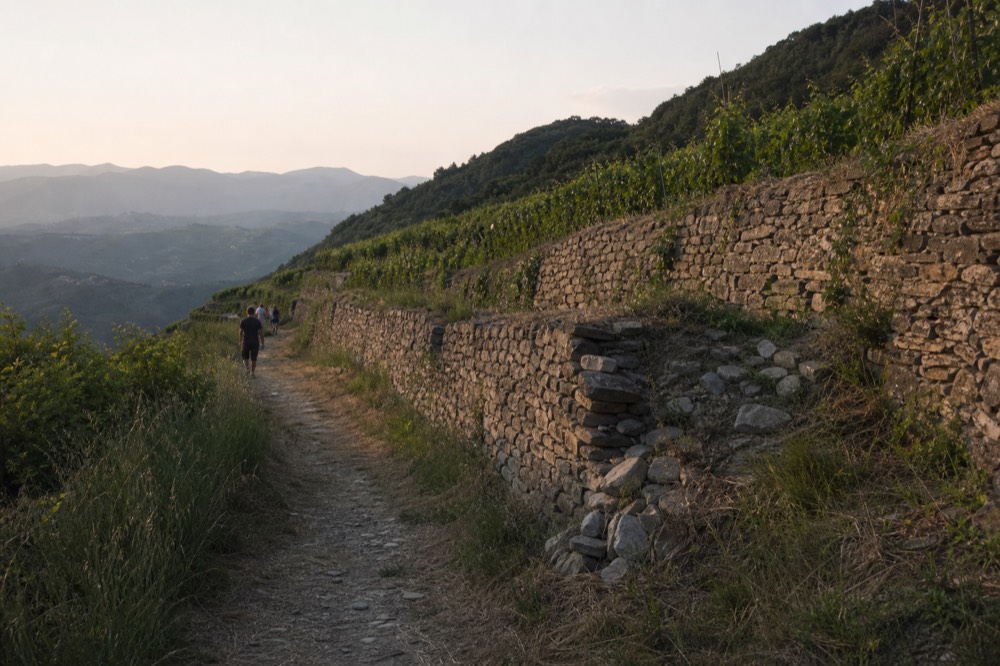
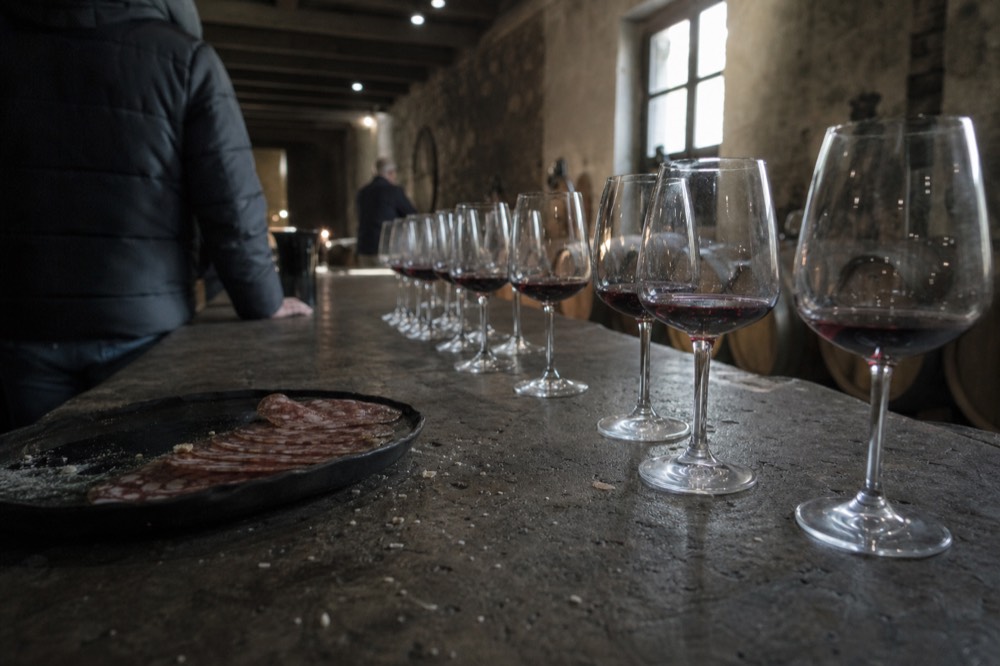
A standard two-tasting flight on a Valpolicella tour pours the denomination's ladder: basic Valpolicella DOC, Valpolicella Ripasso, Amarone della Valpolicella DOCG and often Recioto della Valpolicella DOCG, usually four to six wines in total with bread, cheese and/or salami alongside. The $105 (checked September 2026) half-day pours at least four wines covering the full ladder; the $145 tasting tour includes two tastings across two wineries with Amarone and Ripasso as the focus.
The ladder is the whole story of the region in four glasses, and it is worth understanding before you taste.
| Wine | How it is made | Minimum alcohol | What to expect |
|---|---|---|---|
| Valpolicella DOC | Fresh red blend, Corvina and/or Corvinone 45-95%, Rondinella 5-30% | 11% | Light, cherry-forward, drunk young |
| Valpolicella Ripasso DOC | Base wine re-fermented once on Amarone or Recioto marc | 12.5% | Rounder, more body, Amarone echoes at a lower price |
| Amarone della Valpolicella DOCG | Grapes air-dried roughly three to four months, pressed no earlier than 1 December, aged at least 2 years | 14% | Dense, dried-fruit, high alcohol, the region's flagship |
| Recioto della Valpolicella DOCG | Same dried grapes, fermentation stopped sweet | 12% plus residual sweetness | Sweet, intense, the historic wine of the zone |
The Ripasso step is the one that surprises people: the marc adds 10 to 15 percent liquid volume and must have at least 0.5% potential alcohol left, and the total Ripasso volume is capped at twice the Amarone produced. Our Ripasso and Recioto guide unpacks the method in full. On the tour itself, expect the guide to walk you through a drying loft (fruttaio) before the tasting, because seeing the racks of shrivelled Corvina is what makes the price of Amarone click.
The half-day with the full ladder is the tour to name when the four styles side by side are the point of the visit. It runs 4.8 across 146 reviews, from $105 per person, with hotel pickup, and it often sells out (checked September 2026).
How far is Valpolicella from central Verona?
The Classico communes sit 14 to 23 km from central Verona, roughly 20 to 26 minutes by car in free-flow traffic: Negrar 14 km, San Pietro in Cariano 15 km, Marano 18 km, Sant'Ambrogio 21 km and Fumane 23 km. These are computed free-flow drive times; add time for the Verona ZTL boundary, parking and summer traffic.
| Destination | Distance from central Verona | Drive time |
|---|---|---|
| Negrar | 14 km | 20 min |
| San Pietro in Cariano | 15 km | 23 min |
| Marano di Valpolicella | 18 km | 25 min |
| Sant'Ambrogio di Valpolicella | 21 km | 25 min |
| Fumane | 23 km | 26 min |
The short distances are the region's great gift to visitors and also the trap. Twenty minutes feels driveable, and it is, until you remember that a two-tasting flight plus an optional Recioto puts most people past Italy's legal limit on the drive back. That calculation, not comfort, is the strongest argument for transport-inclusive tours, and we set out the law in the next section.
The distances also explain the tour schedules. A half-day with hotel pickup can deliver two winery visits because the communes are close together: Fumane to Marano is a few minutes on country roads, and a loop through Negrar, Fumane and Marano is standard. Winery-direct visits work best when you cluster them, or when you pick a single estate and stay an hour or two.
Can you drive yourself to Valpolicella wineries?
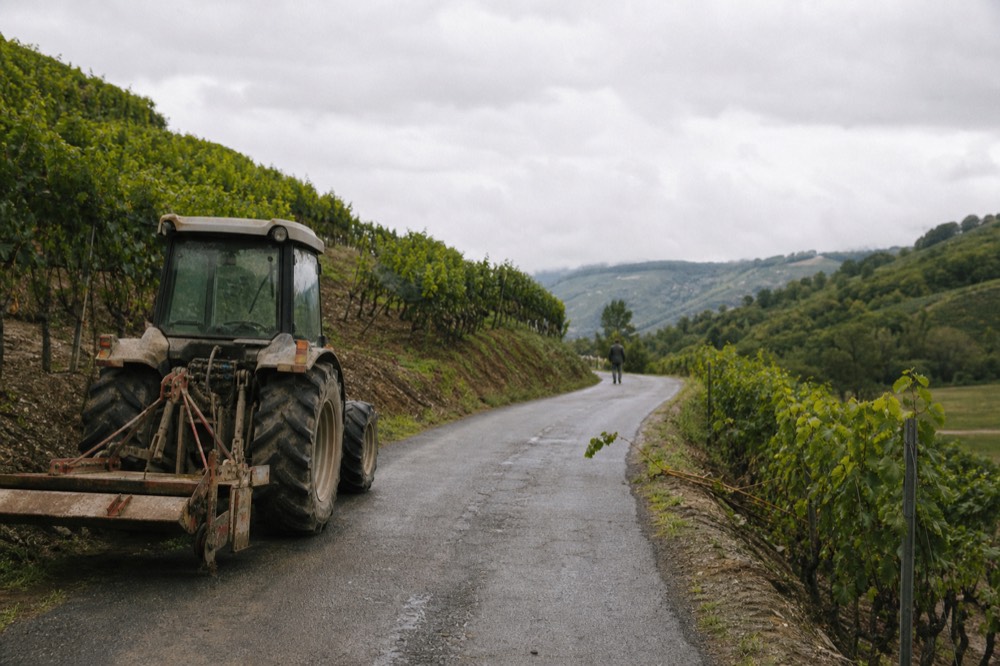
You can drive to Valpolicella wineries, but Italy's general blood-alcohol limit is 0.5 g/l, with a zero limit for drivers under 21, drivers in their first three years of a B licence and professional drivers, and the fines start at EUR 543 with a 3 to 6 month licence suspension for the lowest band. A standard tasting of four to six wines, even with spitting, makes staying under 0.5 g/l a gamble on the return drive.
The law, article 186 of the Codice della Strada, sets three bands. The table shows the consolidated sanctions.
| Blood alcohol | Sanction | Licence consequence |
|---|---|---|
| Above 0.5 up to 0.8 g/l | Administrative fine EUR 543-2,170 | Suspension 3-6 months |
| Above 0.8 up to 1.5 g/l | Criminal fine EUR 800-3,200, arrest up to 6 months | Suspension 6-12 months |
| Above 1.5 g/l | Fine EUR 1,500-6,000, arrest 6-12 months | Suspension 1-2 years, possible vehicle confiscation |
Two details tighten the screws further. The 2024 reform (L. 177/2024, in force 14 December 2024) adds licence codes 68 and 69, an alcohol lock requirement for repeat offenders, and raises fines by a third to a half between 22:00 and 07:00, which is exactly when a long dinner-tasting ends. And for the zero-limit categories, even 0 to 0.5 g/l carries a fine of EUR 168 to 672, so a young driver cannot taste at all and legally drive.
This is why the winery-direct format, cheapest on paper, carries a hidden cost: a taxi from central Verona to Fumane and back, or a designated driver, eats the saving. It works for couples who share pours, for spit-everything tasters, and for anyone staying inside the hills overnight. For everyone else, the tours with drivers are not a luxury but the compliant way to do the day.
The historic-estate cellar tour is the format's best example: from $42 per person (checked September 2026), a sommelier-led tasting of 4 or 6 wines at a Bertani family villa in Marano di Valpolicella, 4.6 across 205 reviews, often sold out, and the listing mentions a pickup option worth checking before you plan to drive (checked September 2026).
How much do Valpolicella tours cost compared with booking a winery direct?
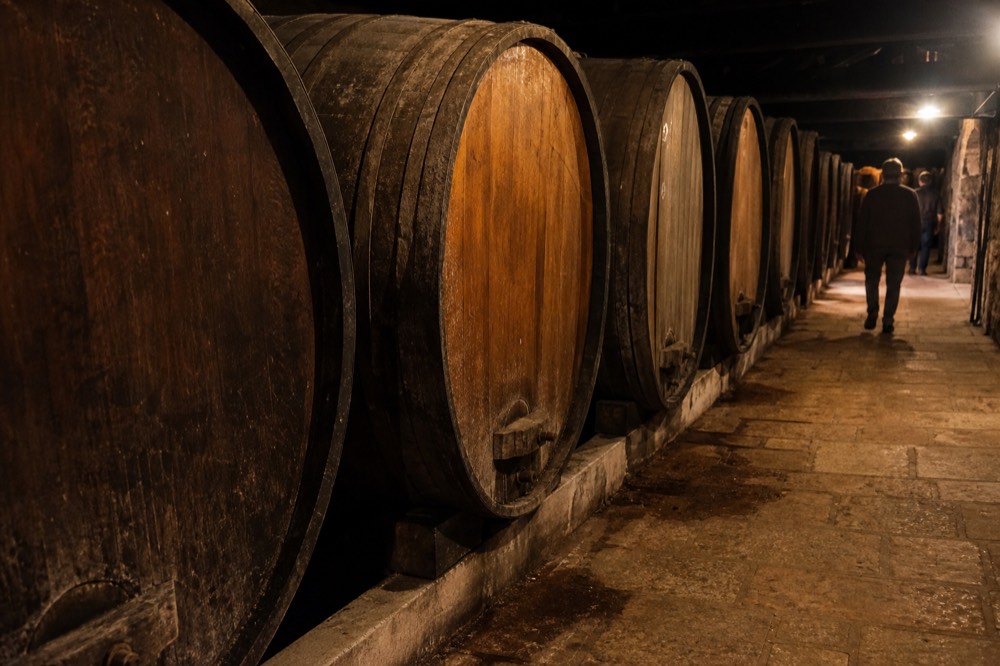
Transport-inclusive Valpolicella tours run from about $105 to $145 (checked September 2026) half-day and $246 with lunch, while booking the same estates direct costs about EUR 25-80 per person for a standard cellar tour and tasting, typically EUR 40-60, with premium, vertical and lunch formats at EUR 100-150 (checked September 2026). The tour premium buys transport, a guide and multi-winery logistics, not a higher fee at the door.
The direct-booking range comes from the estates' own published menus: Tommasi's ladder runs EUR 25 to 120, Tedeschi from EUR 28 for a one-hour visit to EUR 180 for an Amarone vertical, Bertani's classic experience is about EUR 70, and Zenato's tours EUR 40 to 80. Reservations are the rule at every estate, most are closed Sunday, and the famous names like Quintarelli and Dal Forno have no walk-in programme at all. If you go direct, book weeks ahead and accept that you will see one cellar, not two.
Against that, the shared tours bundle two estates, a guide who explains the appassimento rules on the drive, and no driving at the end. For a single visit, a couple or a confident spit-only taster, direct booking wins on price. For a first day, a group or anyone who wants Amarone at lunch, the bundle wins on everything else.
Which Valpolicella wine tour should you book for a first visit?
For a first Valpolicella day, book a small-group half-day with hotel pickup from Verona, from about $105 to $145 per person (checked September 2026), because it solves the drink-driving problem, enters the Classico communes and pours the full style ladder in four to five hours. Choose the $145 two-winery Amarone tasting tour if Amarone is the goal, or the $105 full-ladder half-day if you want all four styles in one flight.
The exceptions are clear-cut. Add lunch and stretch to about 5 hours with the grand tour at from $246, which meets at Piazza Bra and caps groups at 12 (checked September 2026). Choose the $42 historic-estate visit if you are confident about transport and want the cheapest Amarone cellar door. Book a private full day, from around $419 with the basis on the live listing, if the schedule matters more than the price: a minimum of two Ripasso and two Amarone, a paired lunch, and no one else in the van (checked September 2026). Travellers based in Venice rather than Verona have their own options, covered in our day trips from Verona planning guide.
The default pick earns the spot: 4.9 across over 760 reviews, from $145 per person, hotel pickup in Verona, two wineries, two tastings including Amarone and Ripasso, run by a B-Corp-certified small-group operator, and it often sells out (checked September 2026). Every listing in our roster offers free cancellation, so the practical move is to reserve the half-day early, then adjust if your plans change.
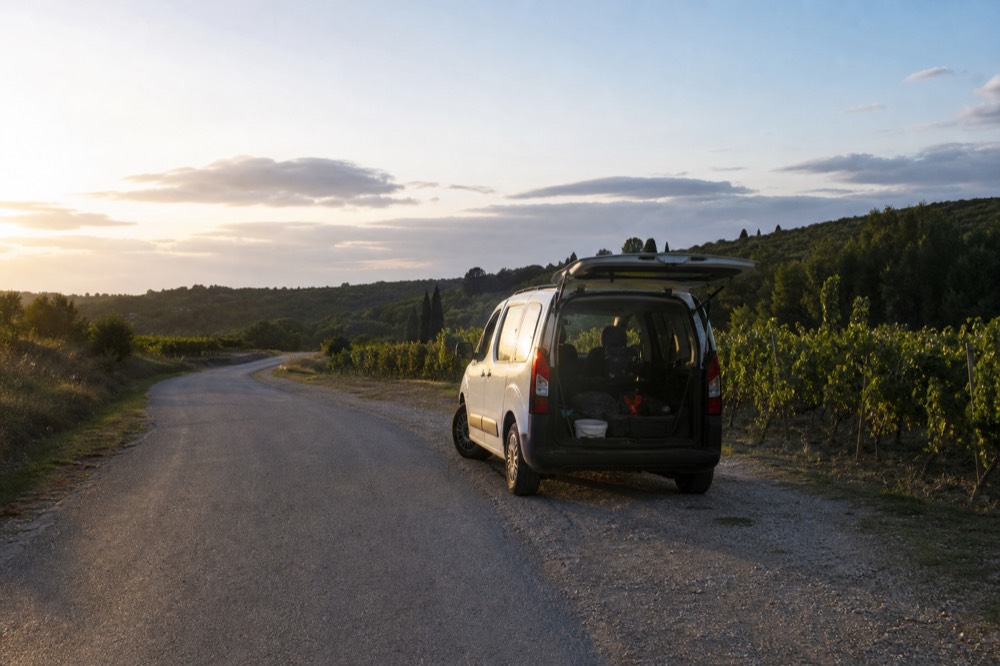
When is the best time of year for a Valpolicella wine tour?
The most reliable months for a Valpolicella wine tour are April to June and September to October, when the hills are green or golden, cellars are open on their normal schedules and temperatures are comfortable; July and August tours run hot, with July averaging a 30.4 C mean maximum, and deep winter limits some estates to weekend openings. The 2026 harvest began about two weeks early, in late August, which means September visitors may see picking in progress.
Each season changes what you see. Spring shows the pergolas leafing out and the drying lofts empty. September and October bring the vendemmia, the busiest and most atmospheric fortnight, though a few estates suspend visits at peak picking. Winter is when the fruttai are full: from January onwards, the lofts hold the drying grapes for the next Amarone, and pressing cannot legally start before 1 December, so a cold-season tour is the best time to see full drying racks. Amarone Opera Prima, the denomination's annual preview, is held in Verona usually in late January or early February.
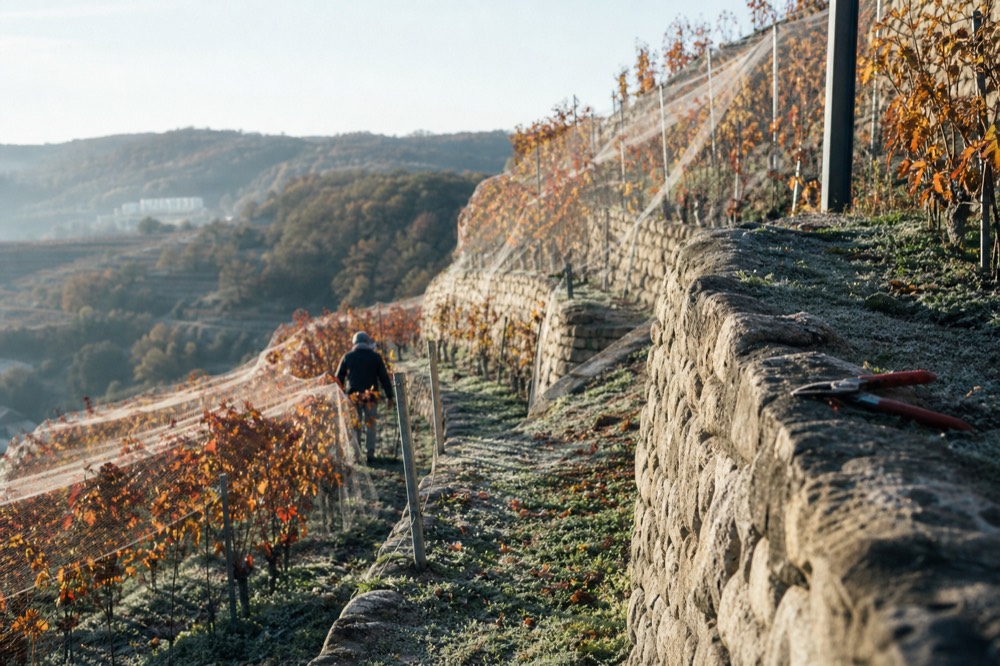
Whatever the season, the booking logic stays the same: the sell-out-prone half-days go first, the private days have the most calendar flexibility, and the winery-direct visits depend on each estate's own reservation desk. This is the comparison that Verona Wine Tours exists to make, and the trio below covers the three formats most first-time visitors end up choosing between.
The questions first-time visitors ask most are what a tour includes, what it costs, whether you can skip the tour and drive yourself, and which product to pick for a first Amarone day, and the answers below cover each one with the verified figures from this guide.
Common questions about Valpolicella wine tours
What does a Valpolicella wine tour include?
A guided cellar visit plus a structured tasting of the denomination's wines, most often Valpolicella, Ripasso, Amarone and sometimes Recioto. Formats with transport from Verona typically run 4 to 5 hours and visit two wineries; winery-direct visits are shorter and you arrange your own arrival; full-day formats add lunch.
How much does a Valpolicella wine tour cost?
Small-group half-days with transport run from about $105 to $145 per person, a full day with lunch from about $246, winery-direct visits from about $42, and private full days from around $419, with the per-person or per-group basis on the live listing (checked September 2026).
Can you visit Valpolicella wineries without a tour?
Yes. Estates publish their own menus, typically EUR 25-80 per person for a cellar tour and tasting, and reservation is the rule everywhere, with most closed Sunday. You will need transport, and Italy's 0.5 g/l drink-drive limit makes a designated driver or taxi essential after a tasting (checked September 2026 for the fee range).
Which Valpolicella tour is best for tasting Amarone?
The small-group Amarone tasting tour from Verona, from $145 per person, visits two wineries with tastings including Amarone and Ripasso, 4.9 across over 760 reviews (checked September 2026). The $105 half-day pours the full four-style ladder if you want Valpolicella and Recioto too.
How far is Valpolicella from Verona?
The Classico communes sit 14 to 23 km from central Verona, about 20 to 26 minutes by car: Negrar 14 km, San Pietro in Cariano 15 km, Marano 18 km, Sant'Ambrogio 21 km and Fumane 23 km.
Is a Valpolicella wine tour worth it if you do not drink?
The tours still deliver the landscape, the drying lofts and the history of the zone, and most tastings include bread, cheese and/or salami. Non-drinkers usually pay the same fare on shared tours; a private day or a winery-direct visit lets you skip the tasting fee line entirely.