Valpolicella Ripasso and Recioto: The Region's Other Two Styles
Valpolicella's most famous export is Amarone, but the region's winemaking tradition also produces two other distinctive styles: Ripasso, a dry, structured red that gains depth from a second fermentation, and Recioto, the sweet ancestor that started it all. Here's how they are made, what they taste like, and where to try them.
Short answer
Valpolicella Ripasso is a dry red wine made by re-fermenting base Valpolicella on the pomace of Amarone or Recioto, gaining extra body, alcohol (12.5% minimum, 13% for Superiore) and complexity. Recioto is the sweet ancestor, produced from dried grapes with a minimum of 12% effective alcohol plus at least 2.8% potential alcohol held as unfermented sugar, making it sweet by definition. Both sit alongside Amarone in the DOCG/DOC hierarchy, with Ripasso offering a more affordable, everyday counterpart to the powerful Amarone.
This guide from Verona Wine Tours explains the two Valpolicella wines that often sit in Amarone's shadow. Ripasso is a dry, structured red that gains its character from a second fermentation on the skins of Amarone or Recioto. Recioto is the sweet, concentrated ancestor that gave birth to Amarone when a forgotten cask fermented dry. Both are produced under strict rules, and the best way to understand them is a tasting that pours all three styles side by side.
What kind of wine is Valpolicella Ripasso?
Ripasso is a dry red wine born from the Valpolicella tradition, where a young Valpolicella wine is refermented on the marc (skins) left over from Amarone or Recioto production. The process adds body, alcohol (min 12.5%, 13% for Superiore) and layers of dried fruit, spice and a slightly bitter finish, yet it costs far less than Amarone.
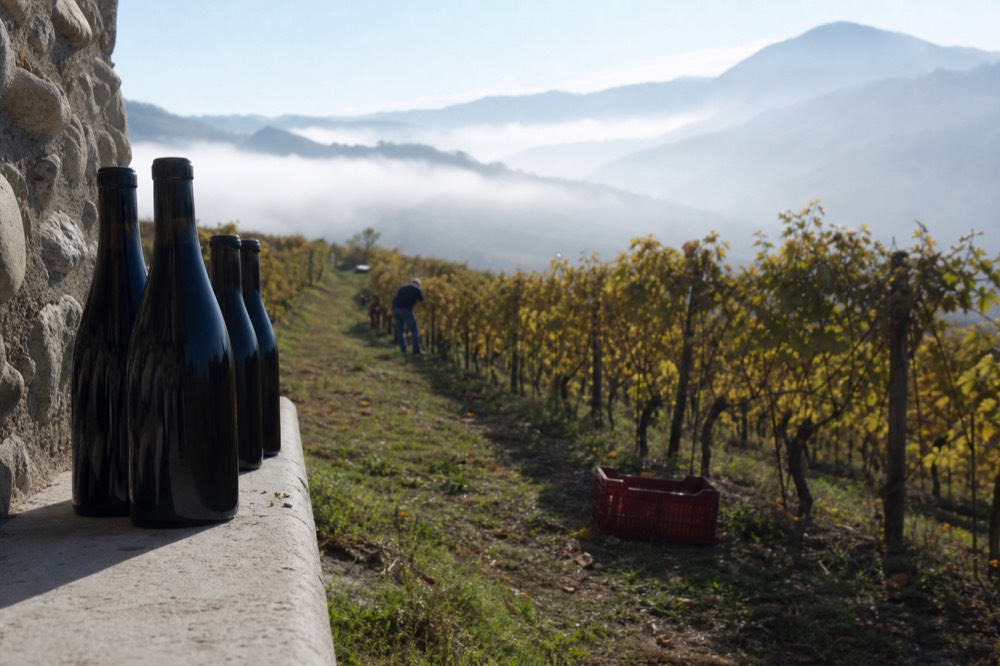
The word ripasso means "repassed" in Italian. The technique is a single re-fermentation of a finished Valpolicella DOC wine on the pomace that has already been used to make Amarone della Valpolicella or Recioto della Valpolicella. The marc still holds residual sugar and aromatic compounds, and the second fermentation extracts extra colour, tannin and complexity. By law, the liquid fraction added by the marc must be between 10% and 15% of the volume, and the total volume of Ripasso produced cannot exceed twice the volume of the Amarone or Recioto that supplied the marc. The base wine must reach at least 11.5% alcohol before the ripasso process, and the finished Ripasso must have a minimum of 12.5% alcohol. The dry extract minimum is 24 g/l, underlining the wine's structure.
The grape blend is the same as Amarone: Corvina and/or Corvinone 45–95%, Rondinella 5–30%, with a maximum of 25% other non-aromatic local reds permitted within the disciplinare. In practice, Ripasso sits between a fresh Valpolicella and a full-blown Amarone: it has Amarone's dried-fruit character but with a lighter body and a more approachable price. The wine can show dried cherry, plum, Christmas spice, and a gentle bitterness on the finish, a hallmark of the local grapes. It is often aged in large oak casks, adding a touch of vanilla or toast, though the disciplinare does not require wood. Many producers release their Ripasso after one year, making it an early-drinking alternative to Amarone's mandatory two-year minimum aging.
| Feature | Ripasso | Valpolicella DOC | Amarone |
|---|---|---|---|
| Grapes | Corvina/Corvinone 45–95%, Rondinella 5–30% | Same | Same |
| Drying | No appassimento; uses marc from Amarone/Recioto | No appassimento | Grapes dried for 100–120 days |
| Alcohol | Min 12.5% (13% Superiore) | Min 11% (12% Superiore) | Min 14% |
| Residual sugar | Dry | Dry | Dry (max 9 g/l at 14%) |
| Typical bottle price | Mid-range | Entry level | Premium |
The result is a versatile food wine that pairs with everything from pasta with meat sauce to roast chicken and aged cheeses, without overpowering the dish. It is also the most efficient way to experience the Amarone flavour profile without the Amarone budget, a point that makes it a favourite among locals in Verona's trattorias.
Is Ripasso considered a high quality wine?
Yes, Ripasso is a respected DOC wine that can age well, though it lacks the lengthy aging requirements of Amarone. It represents a value proposition, often costing half or less than Amarone and delivering a similar flavour profile in a more approachable frame, and the best examples come from the Classico zone.
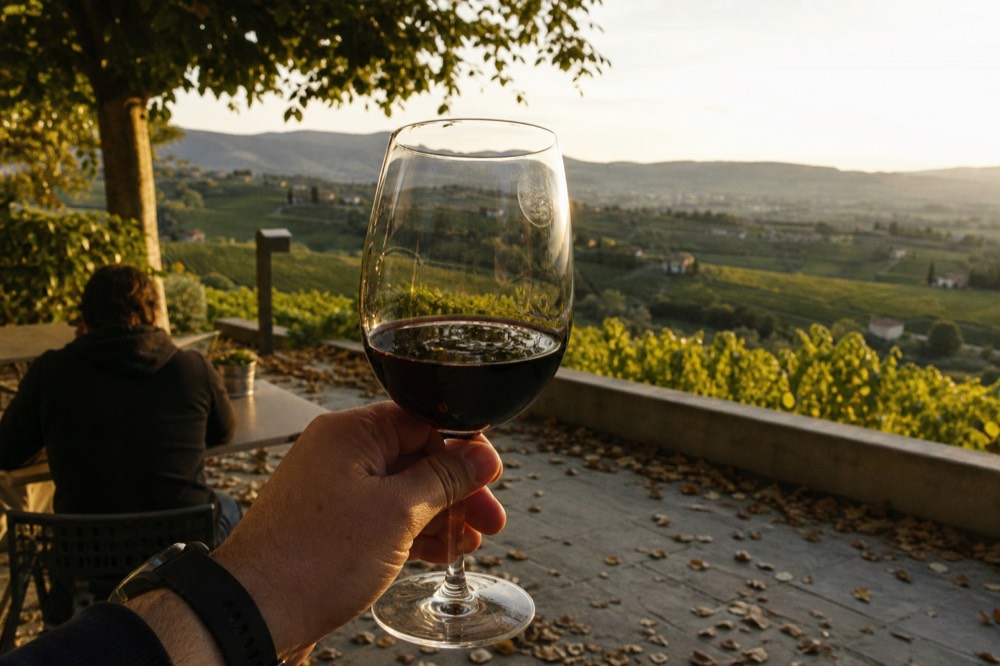
Ripasso's quality has been recognised by the Italian wine authorities since the DOC was formalised. The regulations are tight, and the best examples come from the Classico zone, the historic heartland of Negrar, Marano, Fumane, Sant'Ambrogio, and San Pietro in Cariano. Producers such as Tommasi, Tedeschi, and Speri make Ripasso that can hold its own against many Amarone wines, especially in years when the dried-grape selection is not at its peak. The Superiore designation requires a minimum of 13% alcohol and 26 g/l dry extract, which signals a denser, more cellar-worthy wine. Some producers age their Ripasso Superiore in barrel for a year or more, and these bottles can develop for five to eight years.
The price gap is the most obvious argument for Ripasso. A bottle of Amarone della Valpolicella Classico typically starts around $30–$40 (checked September 2026), while a Ripasso from the same estate often costs $15–$25 (checked September 2026). That makes it a daily-drinking luxury for those who enjoy the Amarone style but not the Amarone budget. For a deeper look at the region's flagship, see our guide to Amarone della Valpolicella.
For anyone who wants to taste Ripasso, Amarone, and Recioto in a single sitting, a small-group tour is the most practical way. The three tours below cover the Valpolicella ladder from different angles, from a value-focused half day to a private full-day experience.
The half-day tour from Verona (from around $105 per person, checked September 2026) pours the full ladder of four wines: a fresh Valpolicella, a Ripasso, an Amarone, and a Recioto, all accompanied by bread, cheese, and salami. It is the most efficient way to taste the entire family in one afternoon, and it often sells out. The second option, the B-Corp-certified tasting tour (from around $145 per person, checked September 2026), visits two wineries and has earned a 4.9 rating across over 760 reviews. The private full-day listing is a newer product, and the price (from around $419, checked September 2026) is best confirmed on the live listing, where the per-person or per-group basis is also stated.
What is Recioto della Valpolicella?
Recioto is the sweet ancestor of Amarone, made from dried grapes and stopped before all the sugar ferments into alcohol. It must reach a minimum of 12% effective alcohol plus at least 2.8% potential alcohol left as unfermented sugar, making it a luscious, full-bodied dessert wine that pairs with chocolate, blue cheese, or dry pastries.
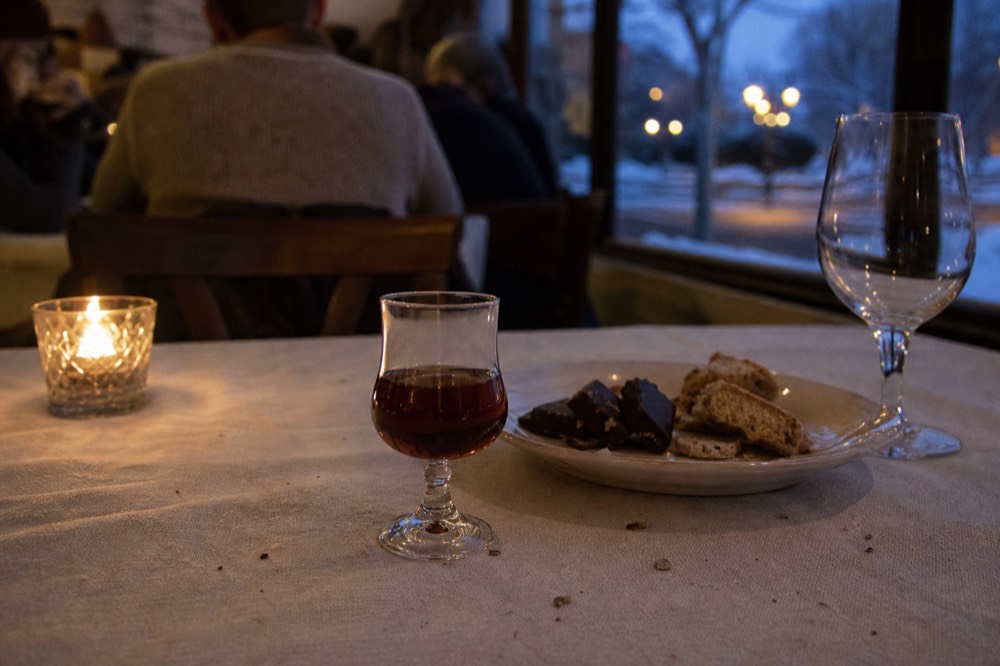
The name Recioto comes from the dialect word "recia," meaning ear, referring to the top, most exposed part of the grape cluster that was traditionally set aside for drying. The same Corvina-dominant grapes are dried for three to four months, concentrating sugars and flavours. The must is then fermented, but the winemaker stops the process before all the sugar is consumed, leaving a wine with a minimum of 12% alcohol and enough unfermented sugar to carry at least 2.8% potential alcohol. The grape-to-wine yield is capped at 40%, identical to Amarone, so the wine is equally intense.
Recioto della Valpolicella is the oldest named wine of the area, recorded long before Amarone. According to local lore, Amarone was born by accident when a barrel of Recioto fermented too long and turned dry. Today, Recioto is a DOCG wine in its own right, with the same grape rules and drying requirements as Amarone. The disciplinare allows no pressing before 1 December, and the grapes must have a minimum natural alcohol of 14% after drying, though the finished wine's effective alcohol is lower because of the retained sugar. There is no legally mandated minimum aging period, so the wine can be released when the producer deems it ready.
A typical Recioto smells of macerated cherries, figs, and cocoa, with a velvety texture and a long, sweet finish. It is often bottled in half-bottles and retails for $25–$50 (checked September 2026), depending on the producer. It is a traditional Christmas wine in Verona, served with panettone or pandoro, but it also shines with strong blue cheeses or a bitter chocolate tart.
The best way to understand all three styles is a tasting that moves from Valpolicella to Ripasso to Amarone and finishes with Recioto, and the half-day tour below does exactly that with a small group and hotel pickup in the city centre (see Is Valpolicella worth visiting?).
That same tour pours the full ladder of four wines accompanied by bread, cheese, and salami, and it often sells out (checked September 2026). The operator's live listing has the current schedule and exact pickup points.
If you prefer a winery-direct experience that includes Ripasso and Amarone without leaving the hills, the Panoramic Wine Tasting at a family cantina above Verona serves a flight of five wines: a white IGT, Valpolicella, Valpolicella Superiore, Ripasso, and Amarone, all with a cold-cuts and cheese platter. The price is from around $53 (checked September 2026), and the view is famously panoramic.
How do Ripasso, Recioto and Amarone differ?
The three wines share the same grape varieties and are born from the same drying tradition, but they diverge in fermentation, sugar, and aging. Ripasso is a dry, second‑fermentation wine; Recioto is a sweet, arrested‑fermentation wine; and Amarone is a dry, fully fermented wine from dried grapes, with a mandatory two-year minimum aging period.
The table below summarises the key legal and practical differences. All figures are taken from the current disciplinari (checked September 2026 for volatile prices only).
| Feature | Ripasso | Recioto | Amarone |
|---|---|---|---|
| Primary grapes | Corvina/Corvinone, Rondinella | Same | Same |
| Grape drying | No appassimento; uses marc | Yes, 3–4 months | Yes, 3–4 months |
| Fermentation | Full dry on marc | Arrested sweet | Full dry |
| Min alcohol | 12.5% (13% Superiore) | 12% effective | 14% |
| Residual sugar | Dry | Min 2.8% potential alcohol | Dry (max 9 g/l) |
| Grape-to-wine yield | 70% | 40% | 40% |
| Minimum aging | None legally required | None legally required | 2 years (Riserva 4 years) |
| Typical bottle price | Mid-range | Premium, usually sold in half-bottles | Premium, standard bottle |
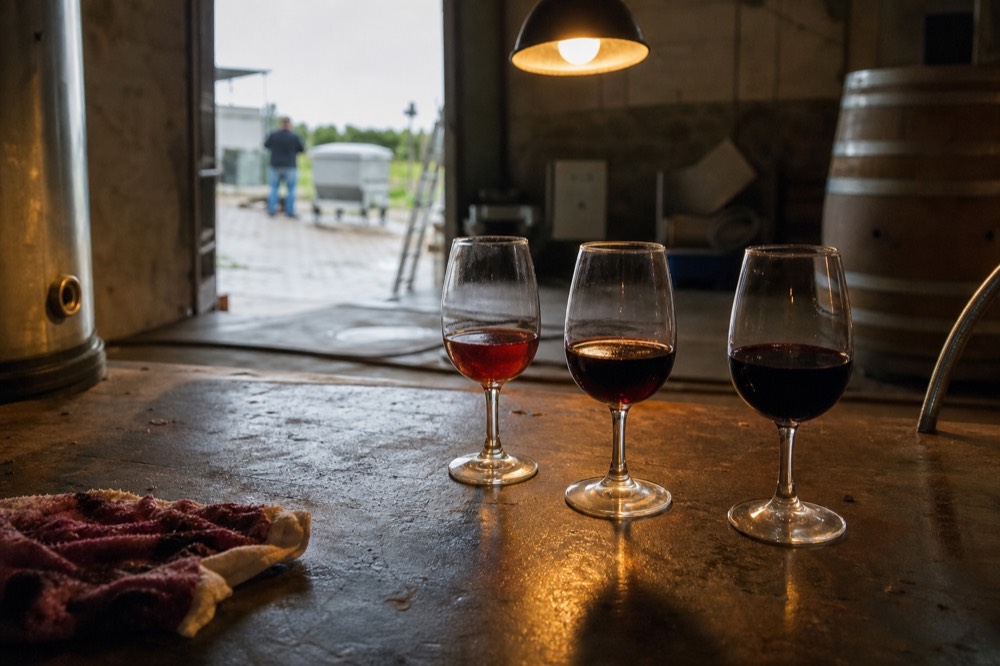
The three wines are often displayed together in a tasting room to show the range of the Valpolicella tradition. A standard cellar visit might start with the fresh Valpolicella, then move to the Ripasso to demonstrate the effect of the marc, followed by the Amarone for the full dried-grape intensity, and finish with the Recioto as a sweet counterpoint. This progression, sometimes called the "Valpolicella ladder," is available on several small-group tours.
The historic estate tour at a Bertani family villa in Marano di Valpolicella offers a sommelier-led tasting of four or six wines, including Amarone, for a lower price (from around $42, checked September 2026). The listing mentions pickup and drop-off under certain conditions, so check the live listing for the latest details.
The Classico zone communes of Negrar, Marano, Fumane, Sant'Ambrogio, and San Pietro in Cariano are the heartland for all three wines, and a drive from central Verona to any of them takes 20–25 minutes. For a broader look at planning a visit, see our guide to Valpolicella wine tours.
Why does Ripasso cost less than Amarone?
Ripasso costs less than Amarone primarily because it skips the costly and risky appassimento process, uses a base wine rather than dried grapes, and carries no mandatory aging requirement. The result is a wine that can be released earlier and sold for roughly half the price, while still delivering the dried-fruit character of Amarone in a lighter frame.
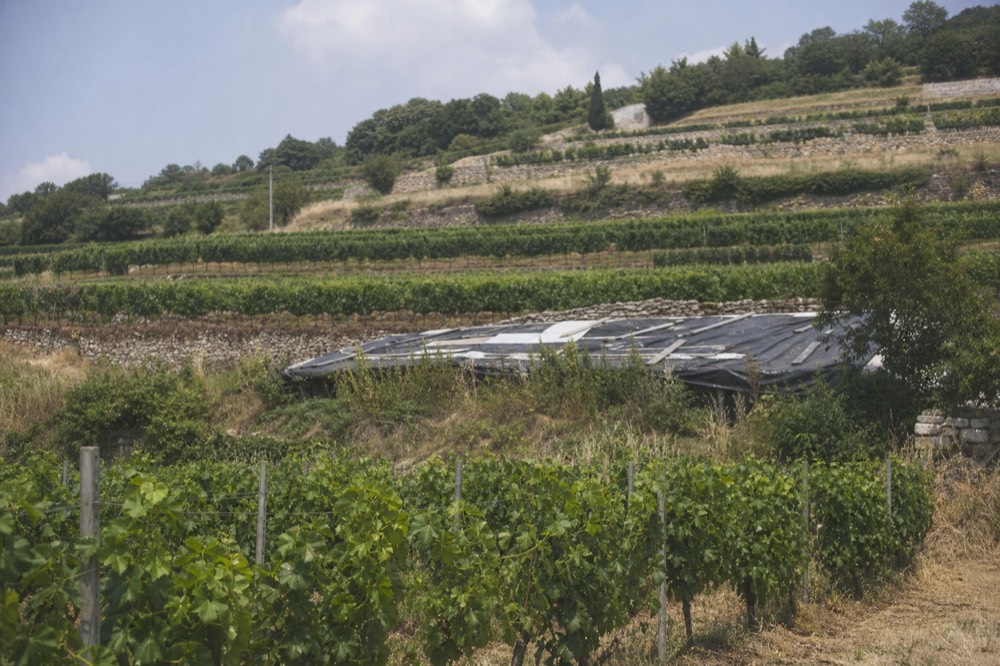
The appassimento process, drying the grapes for three to four months, is the single largest cost driver in Amarone production. Grapes lose about 40% of their weight to evaporation, and the risk of mould or spoilage means constant monitoring. Ripasso sidesteps all of that: it uses a finished Valpolicella DOC wine as its base, then borrows the marc from Amarone or Recioto for a short second fermentation. The marc adds flavour, colour, and tannin without the producer having to dedicate a portion of the harvest to drying.
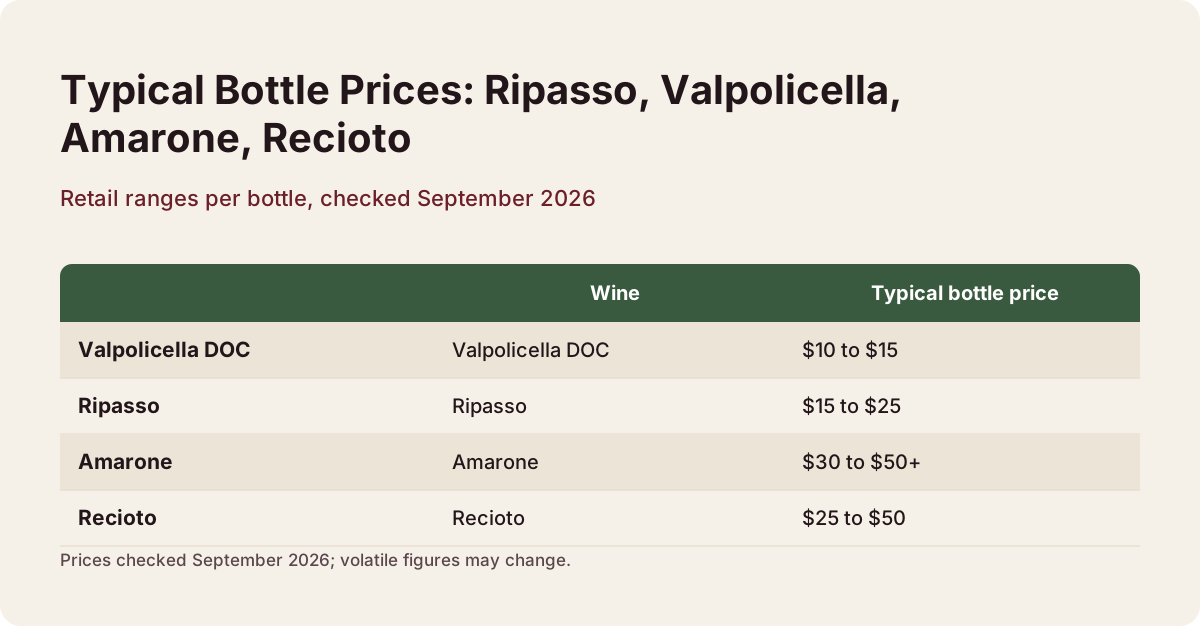
The absence of mandatory aging is another cost advantage. Amarone must spend at least two years in the cellar from 1 January after the harvest, and Riserva requires four years. Ripasso can be bottled and sold much sooner, freeing up cash flow and barrel space. The table below shows how the production costs feed through to typical retail prices.
| Wine | Appassimento | Aging requirement | Grape-to-wine yield | Typical retail price (checked Sep 2026) |
|---|---|---|---|---|
| Valpolicella DOC | None | None | 70% | $10–$15 |
| Ripasso | None (uses marc) | None | 70% | $15–$25 (checked September 2026) |
| Amarone | 3–4 months | 2 years (4 Riserva) | 40% | $30–$50+ |
| Recioto | 3–4 months | None | 40% | $25–$50 (half-bottle) |
The pricing makes Ripasso the most practical entry point for anyone who wants to drink the Valpolicella style regularly. A bottle opened on a Tuesday evening with a plate of pasta feels entirely appropriate, whereas an Amarone often feels like a weekend or special-occasion wine. For a guide to the region's flagship wine, see our piece on Amarone wineries to visit.
Where to taste all three styles on a tour
A guided tour is the easiest way to try Ripasso, Recioto, and Amarone without worrying about driving, and several operators run half‑day and full‑day itineraries from Verona that include all three styles. The best tours visit two wineries and pour the wines side by side with local food, so you can taste the differences directly.
The trio of tours below covers three different approaches. The half-day small-group tour is the value pick, the B-Corp-certified tasting tour adds a second winery and a premium slant, and the private full-day option can be customised from Verona.
Beyond the organised tours, many wineries in the Classico zone offer tastings that include Ripasso and Recioto by the glass. The typical cellar visit fee runs $25–$80 per person (checked September 2026), with premium verticals and lunch formats reaching $100–$150. Reservations are essential, and most estates are closed on Sunday. The wineries around Negrar, San Pietro in Cariano, and Marano are the most accessible from Verona, a 20–25-minute drive.
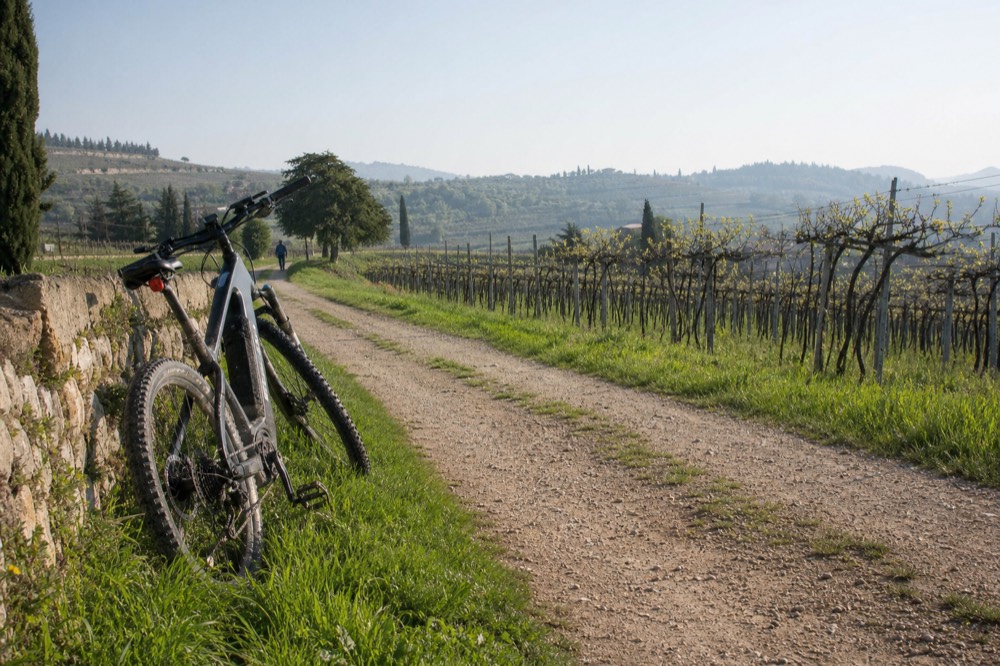
The Verona area also offers e‑bike rentals that let you pedal between cantinas. The Valpo in Sella rental in San Pietro in Cariano charges $35 for a half‑day and $50 for a full day (checked September 2026), with delivery available for a small fee. It is a self‑guided option that pairs well with a couple of pre‑booked tastings, though you will need to plan your route carefully and book each winery in advance.
For travellers coming from Lake Garda, a shared half-day tour departs from Peschiera del Garda, Bardolino, and other lake points, visiting a Valpolicella cellar for red-wine tastings and a local lunch in an agriturismo (from around $103 per person, checked September 2026). It is the only Valpolicella product that departs from the lake shore, and it covers the same wines without the drive back to Verona. See our guide to Lake Garda wine tours for more lake-based options.
Common questions about Valpolicella Ripasso and Recioto
What kind of wine is Valpolicella Ripasso?
Valpolicella Ripasso is a dry red wine made by re-fermenting a finished Valpolicella wine on the marc of Amarone or Recioto. The process adds body, alcohol, and dried-fruit character, creating a wine that sits between a fresh Valpolicella and a full Amarone.
Is Ripasso considered a high quality wine?
Yes, Ripasso is a respected DOC wine that can age well, especially in its Superiore form. It offers a similar flavour profile to Amarone at a lower price, typically $15–$25 a bottle (checked September 2026), and pairs well with a wide range of foods.
What is the difference between Ripasso and Amarone?
Ripasso is refermented on Amarone marc, not made from dried grapes. It has a lower minimum alcohol (12.5% vs 14%), no mandatory aging, and a lighter body. Amarone is a full-blown dry wine from dried grapes, aged at least two years.
Is Recioto always sweet?
Yes, Recioto della Valpolicella is a sweet wine by definition. The fermentation is stopped before all the sugar is consumed, leaving unfermented sugar worth at least 2.8% potential alcohol. It is the sweet ancestor of Amarone and pairs well with desserts and blue cheese.
How should I serve Ripasso and Recioto?
Ripasso is best served slightly below room temperature in a large red-wine glass. Recioto should be served lightly chilled, in a smaller glass to concentrate the aromas. Both benefit from an hour of aeration after opening.
Can I visit a winery to taste all three styles?
Yes, many wineries in the Valpolicella Classico zone offer tastings that include Ripasso, Recioto, and Amarone. The Amarone Half-Day Tour from Verona is a popular small-group option that pours the full ladder, and several private tours cover all three styles in a single day.