Valpolicella Wine: The Four Styles of Verona's Hillside Reds Explained
Valpolicella is not one wine but a ladder of four, poured from the same hillside and the same three grapes. Here is what each rung legally means, and how to taste them all in a single afternoon.
Short answer
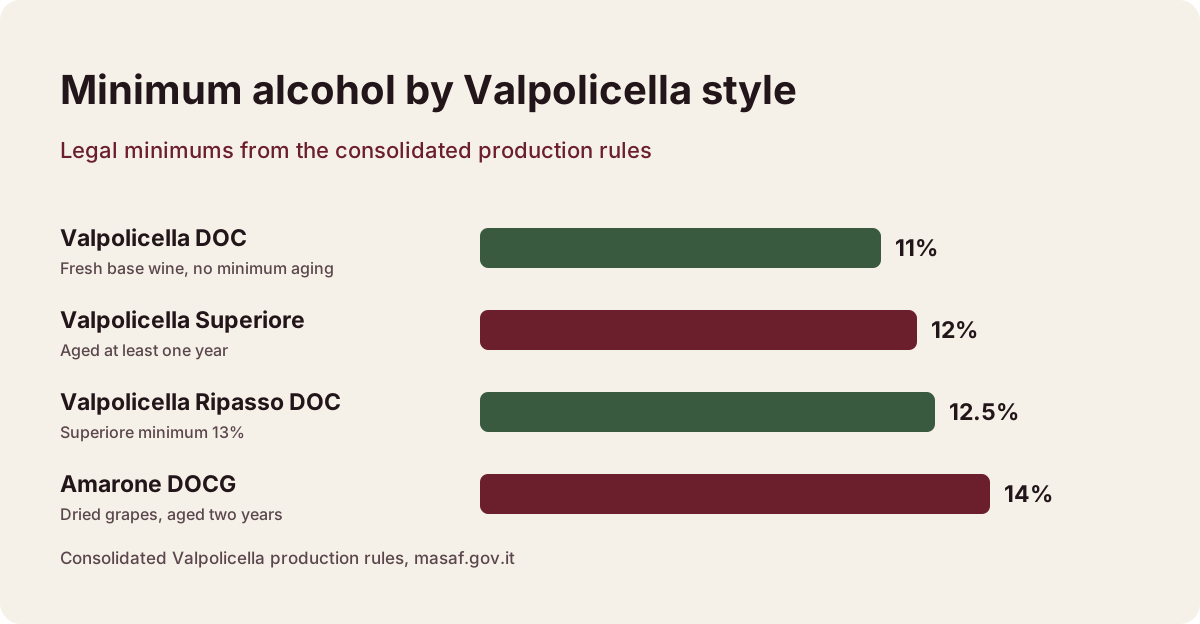
Valpolicella wine comes in four styles from the same Verona hillside: fresh Valpolicella DOC (min 11% alcohol), richer Valpolicella Superiore (12%, aged one year), Ripasso (min 12.5%, re-fermented on Amarone marc) and the dried-grape Amarone DOCG (min 14%, aged two years) plus sweet Recioto. All are built on Corvina, Corvinone and Rondinella.
What kind of wine is Valpolicella?
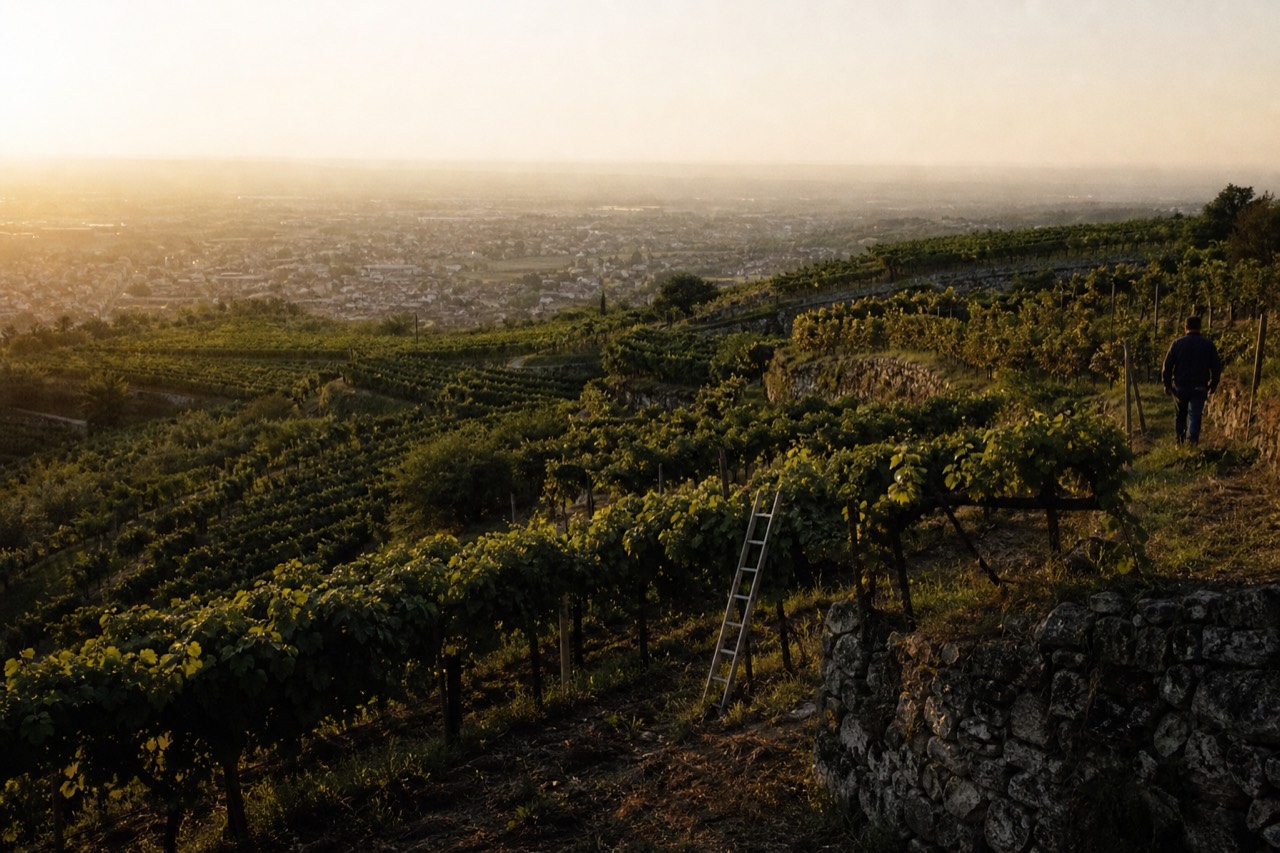
Valpolicella is a family of red wines from the hills north-west of Verona, all made principally from the same three local grapes: Corvina and/or Corvinone (45-95% of the blend) and Rondinella (5-30%). The name covers four legally distinct styles of increasing weight and price: Valpolicella DOC, Valpolicella Superiore, Valpolicella Ripasso DOC, and the dried-grape pair Amarone DOCG and Recioto DOCG.
That single hillside, one appellation stack, is what makes the region unusual in Italian wine (see Where is the best place to do a wine tour in Italy?). Most zones ask you to learn new grapes as you climb the quality ladder. Valpolicella asks you to learn new winemaking decisions instead. The same fruit, picked in the same September, can end up as a light cherry-scented red for everyday drinking or as Amarone, one of Italy's most concentrated dry wines, purely on the strength of what happens after the harvest.
The production rules are set out in national regulations consolidated in 2023, published by the Italian agriculture ministry (the consolidated Valpolicella DOC text on masaf.gov.it). The Classico zone, the historical heartland, covers five communes: Negrar, Marano di Valpolicella, Fumane, Sant'Ambrogio di Valpolicella and San Pietro in Cariano, with the Valpantena valley as a separately named sub-zone. All of them sit within a short drive of Verona: Negrar is 14 km and about 20 minutes from the centre, San Pietro in Cariano 15 km and 23 minutes, Marano 18 km and 25 minutes (checked September 2026 routing).
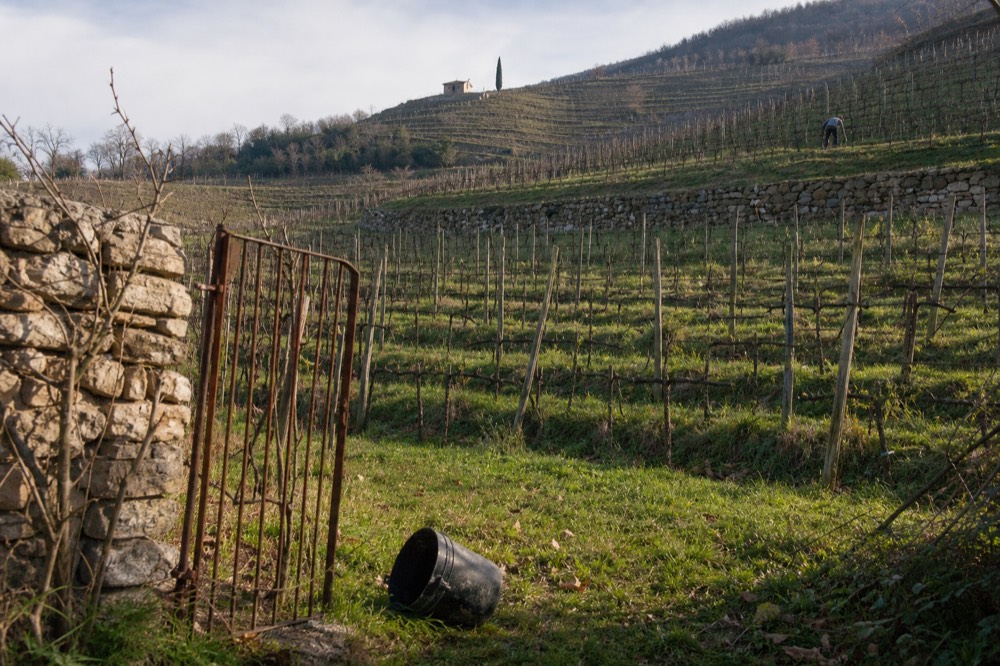
For visitors this geography is the practical point. The whole denomination is close enough to Verona that a half-day outing comfortably reaches two estates, which is exactly why the tasting-tour format works so well here. If you are planning the trip itself, our Valpolicella wine tour guide covers the logistics in detail.
What are the four types of Valpolicella?
The four types are Valpolicella DOC (the fresh base wine, minimum 11% alcohol), Valpolicella Superiore (minimum 12%, aged at least one year), Valpolicella Ripasso DOC (minimum 12.5%, re-fermented on Amarone grape skins) and Amarone della Valpolicella DOCG (minimum 14%, made from dried grapes, aged two years). Sweet Recioto della Valpolicella DOCG shares Amarone's dried-grape method but stops fermentation early, so it counts as the ladder's fifth, sweet rung.
Here is the ladder in one table. The figures are the legal minimums from the consolidated production rules; cellar tasting fees in the region usually run about EUR 25-80 per person for a standard visit and tasting, with typical formats at EUR 40-60 (checked September 2026).
| Style | Grapes | Min alcohol | Minimum aging | Sweetness | What you taste |
|---|---|---|---|---|---|
| Valpolicella DOC | Corvina/Corvinone 45-95%, Rondinella 5-30% | 11% | none | dry | sour cherry, fresh, light-bodied |
| Valpolicella Superiore | same blend | 12% | 1 year from 1 January after harvest | dry | deeper cherry, spice, more structure |
| Valpolicella Ripasso DOC | same blend | 12.5% (Superiore 13%) | none fixed by the rules we verified | dry | richer, darker, Amarone's shadow |
| Amarone DOCG | same blend, dried grapes | 14% | 2 years (Riserva 4) | dry, max 9 g/l residual sugar at 14% | dried fig, cocoa, bitter almond, big |
| Recioto DOCG | same blend, dried grapes | 12% with min 2.8% potential | not fixed in the text we verified | sweet | raisined fruit, jam, smooth |
The economics of the ladder explain most of what you will see on a wine list. A producer's plain Valpolicella is usually the cheapest bottle on the estate's list, Ripasso sits in the middle, and Amarone carries the premium, a gap we unpack in why Amarone is so expensive. The reason is volume: drying grapes in ventilated rooms through the winter shrinks the harvest dramatically, since at most 65% of the permitted 12 tonnes per hectare may be set aside to dry, and the dried grapes may yield no more than 40% wine by weight. Amarone is expensive because the winery deliberately throws away most of the water.
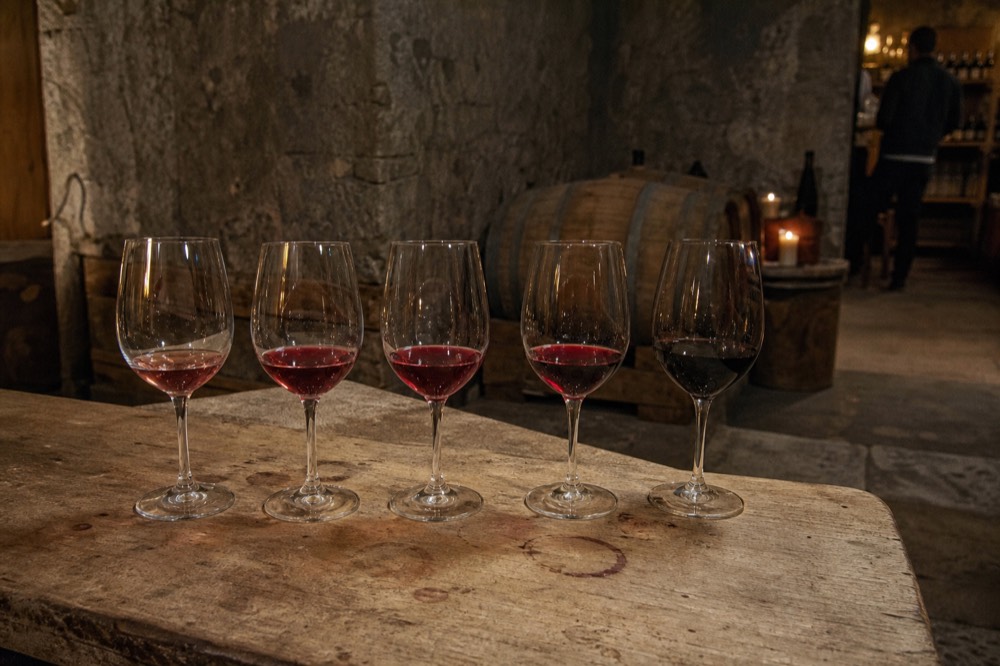
Tasting the four side by side is the single best way to understand them, and one small-group half-day tour from Verona pours at least four Valpolicella wines, the full ladder with bread, cheese and salami (checked September 2026). It often sells out, so book ahead.
What grapes go into Valpolicella wine?
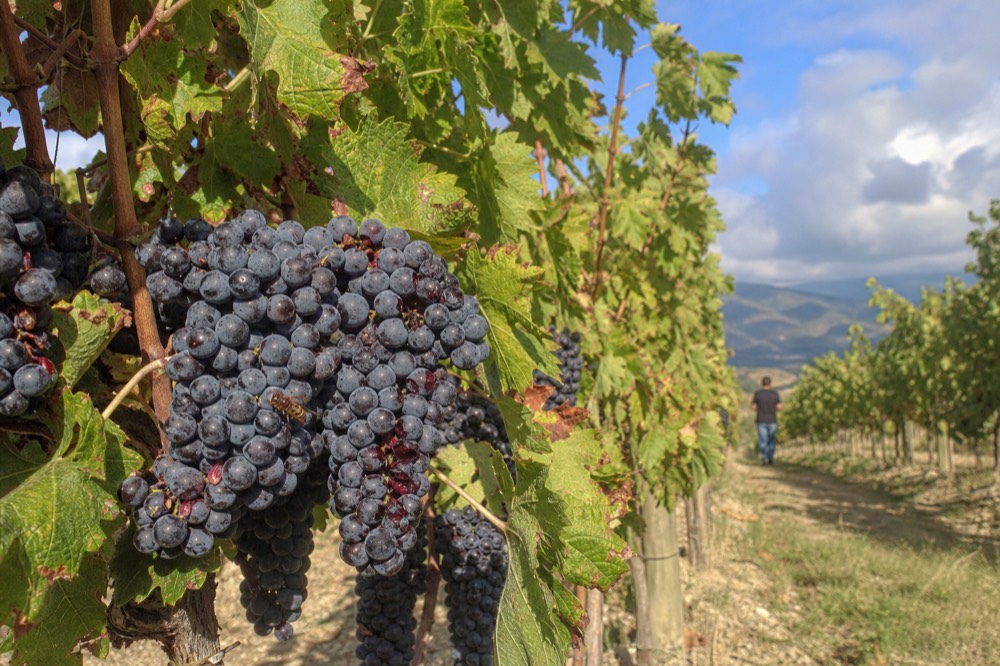
Every Valpolicella style must be made from Corvina and/or Corvinone between 45% and 95% of the blend, Rondinella between 5% and 30%, and up to 25% total of other permitted red grapes, of which non-aromatic Verona-province varieties may not exceed 15%, with a 10% cap on any single variety. Corvina gives the cherry character, Corvinone adds colour and aroma, Rondinella contributes reliability and body.
Corvina is the soul of the blend. It ripens late, carries the sour-cherry and almond notes that define the base wine, and its loose bunches suit the drying process that Amarone depends on. Corvinone was long treated as a large-berried mutation of Corvina, and the rules allow it to stand in for its parent across that whole 45-95% band, which matters because its bigger berries hold less colour but more perfume. Rondinella is the workhorse: high-yielding, disease-resistant, and rarely the star, but without it the blend would lose its mid-palate.
| Grape | Share allowed in the blend | Role in the glass |
|---|---|---|
| Corvina / Corvinone | 45-95% combined | sour cherry, almond, structure, aroma |
| Rondinella | 5-30% | body, reliability, colour support |
| Other permitted reds | max 25% total, max 10% per variety, Verona non-aromatics max 15% | rounding, minor perfume |
The practical consequence for a visitor is that a Valpolicella always tastes of the same core fruit, whatever the style. When you move up the ladder you are tasting process, not a change of grapes. That is why the region rewards comparative tasting in a way that, say, a tour through five different grape varieties does not: the variable is controlled, and the winemaking decision shows through cleanly.
If you want the process explained where it happens, the small-group Amarone tasting tour with transport visits two wineries with two tastings including Amarone and Ripasso, rated 4.9 across over 760 reviews, from around $145 per person (checked September 2026). It is the default recommendation for a first Valpolicella day.
That tour covers the same ground you would cover visiting estates on your own, but with a driver handling the hills and the schedule. If you would rather taste the ladder on a tighter budget or a shorter window, the half-day format below is the one to look at first.
What does Valpolicella Classico legally mean?
Classico is a geographic claim, not a quality grading. It certifies that the grapes came entirely from the five historical communes of Negrar, Marano di Valpolicella, Fumane, Sant'Ambrogio di Valpolicella and San Pietro in Cariano, the zone recognised when the denomination was first defined in 1968. A Classico wine can be any of the four styles, and a non-Classico wine from the expanded zone can be excellent.
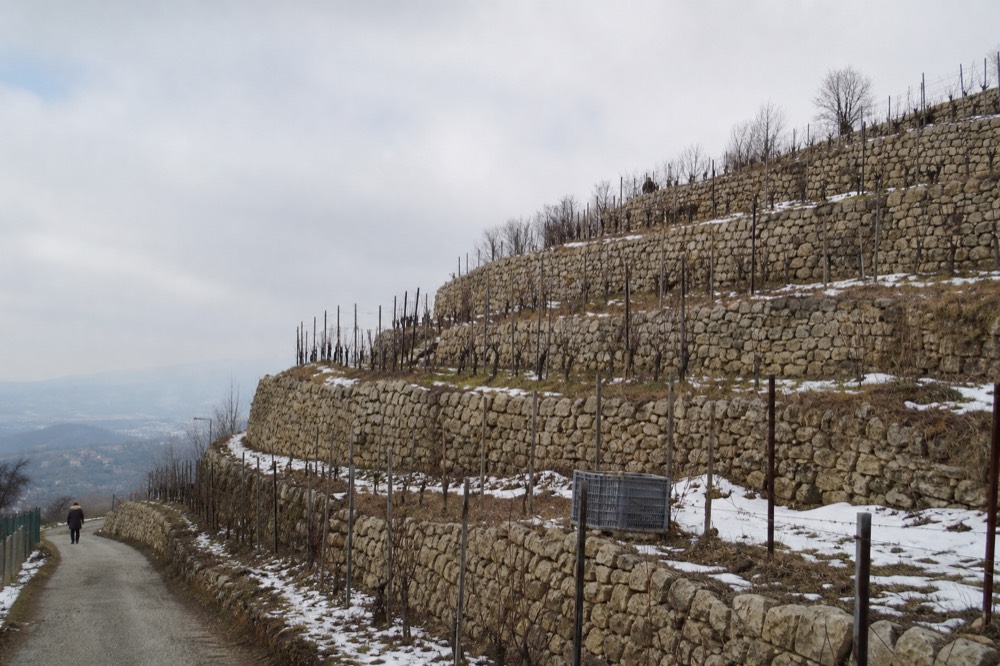
The distinction matters because the original hillside, with its terraced pergola vineyards and limestone soils, sits closest to the Monte Lessini ridge, where nights are cooler and the drying winds that make appassimento reliable blow down the valleys. The expanded zone, added later to allow production to grow, stretches across flatter land further east and south. Blind tasters often prefer Classico bottlings for their freshness, but the law promises origin, not a score.
The five Classico communes are also where most of the visiting happens, because that is where the historic estates cluster. Negrar and San Pietro in Cariano in particular hold names whose tasting rooms anchor the region's wine tourism, a shortlist we cover in Amarone wineries to visit. One planning note: reservation is the rule at essentially every estate, most are open Monday to Saturday only, and Sunday visits are uncommon (checked September 2026).
The half-day tour that pours the full four-style ladder picks up at Verona hotels, is rated 4.8 across 146 reviews and starts from around $105 per person (checked September 2026). It often sells out.
What does Valpolicella Superiore mean?
Superiore is an aging and strength claim within the base Valpolicella DOC: the wine must reach at least 12% alcohol, against 11% for the plain wine, and be aged for a minimum of one year starting from the 1 January following the harvest. Grapes for Superiore must also come in at 11% natural alcohol against 10% for the base.
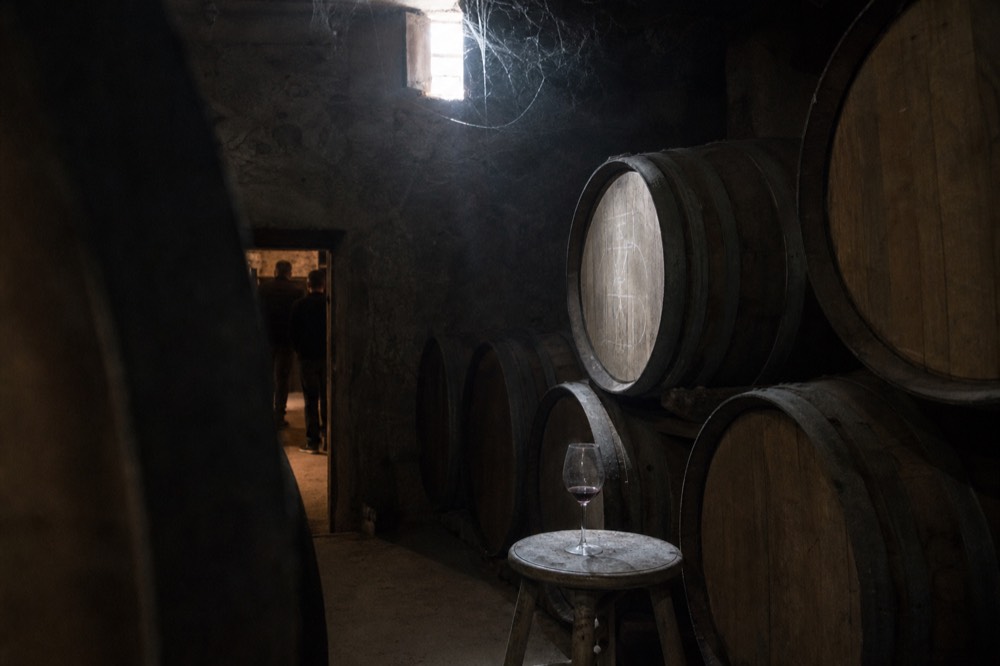
In practice Superiore is the style most undervalued on restaurant lists. It has the fruit of the base wine but a year of maturation pulls the tannins together and adds a savoury, spicy edge, and because it carries neither the Classico nor the Ripasso premium it is often the best value on an estate's own list. If a waiter asks whether you want Valpolicella or "something a step up" and you do not want Amarone weight, Superiore is the honest answer.
It should not be confused with Ripasso, which is a separate DOC with its own rulebook. Superiore is still fresh wine, just riper and rested. The one-year clock is the whole legal difference in the cellar, and it is why Superiore can be released while an Amarone from the same harvest is still years from bottling.
The style also shows up in the tasting flights at estates across the hills, usually poured second, right after the base wine, precisely because the comparison is so instructive. A family cantina in the hills above Verona pours five wines in that order, a white IGT, Valpolicella, Valpolicella Superiore, Ripasso and Amarone, with a cold-cuts and cheese platter and a panoramic view, from around $53 and rated 4.9 across 279 reviews (checked September 2026).
How does Ripasso actually work?
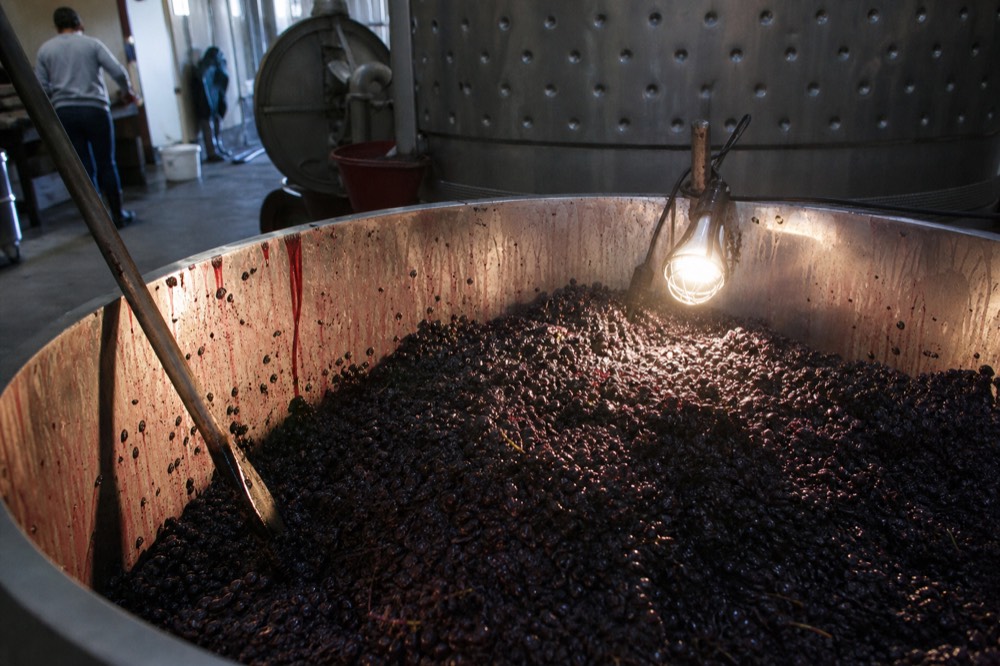
Ripasso is made by re-fermenting a finished Valpolicella wine, one time only, on the freshly drained skins of grapes that were destined for Amarone or Recioto. The marc must add between 10% and 15% of liquid volume, the wine must reach at least 12.5% alcohol (13% for Ripasso Superiore), and the total Ripasso a producer makes may never exceed double the volume of the Amarone and Recioto it produced.
The technique is the region's cleverest invention. In late autumn or winter, when the dried-grape wines are pressed, their skins are still rich in sugar, colour and aroma. Passing the light young Valpolicella over that warm marc starts a second fermentation that deepens the wine without drying grapes for a second batch. The result sits stylistically two-thirds of the way to Amarone, at a fraction of the cost, which is why locals drink Ripasso on ordinary Sundays and save Amarone for occasions.
Two legal details are worth knowing when you read a label. First, the marc must carry at least 0.5% potential residual alcohol, so a producer cannot pass wine over spent skins and claim the name. Second, the volume cap ties Ripasso to real Amarone production: an estate cannot make Ripasso without making the dried-grape wines, which keeps the style anchored to the traditional process.
For the visitor, Ripasso is the ideal middle pour in any tasting flight, and it is the style most often used to explain the appassimento method at cellar visits, because you can taste its effect without committing to a full Amarone. The comparison between Valpolicella, Ripasso and Amarone is worth a whole article of its own, which we have written in Amarone vs Valpolicella.
What makes Amarone and Recioto different from the rest?
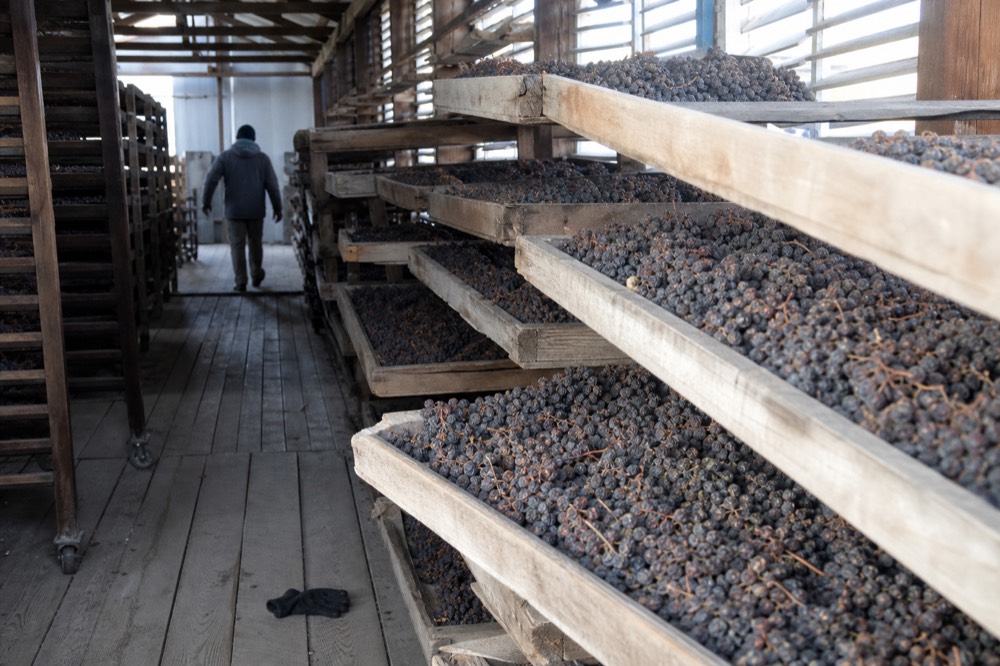
Amarone and Recioto are made from grapes dried in ventilated rooms for about three to four months after harvest, a process called appassimento, which may convert no more than 40% of the dried grape weight into wine. Pressing may not happen before 1 December, Amarone must age at least two years and reach 14% alcohol, and Recioto stops fermentation early so it stays sweet, with a minimum 2.8% potential alcohol remaining.
Amarone is the dry one, Recioto the sweet one, and the difference between them is historically a matter of luck and patience. Legend has it that Amarone was born when a batch of Recioto was left to ferment completely dry, turning the intended sweet wine into something bitter, amaro, hence the name. The rules now lock the split in: Amarone may carry at most 9 g/l of residual sugar at 14% alcohol, while Recioto must keep that minimum 2.8% unfermented potential.
The drying rooms themselves, the fruttaio, are the most memorable thing to see on a winery visit. Racks of Corvina and Corvinone bunches sit through the winter, losing water and concentrating sugar while botrytis-free, cool air keeps rot at bay. Not before 1 December is the legal floor for pressing, though the Region may authorise an earlier start in exceptional climate years, as it did for the 2025 harvest. The 2026 harvest began in late August, about two weeks early, so the 2026 drying season is running ahead of the historical clock too.
Amarone's place among Italy's heavyweight reds, alongside Barolo and Brunello, is a fair question, but within Verona's own denomination stack it simply stands at the top of the ladder you have just climbed: same grapes, same hills, all the water removed.
How can you taste the whole Valpolicella ladder in one afternoon?
Book one half-day small-group tour from Verona that pours at least four wines, the base Valpolicella, Superiore, Ripasso and Amarone, ideally with Recioto to finish, and compare them in the order the rules build them: fresh, aged, re-fermented, dried. Two winery visits in one outing is the standard format, and hotel pickup from Verona removes the drink-driving question entirely, since Italy's legal limit is 0.5 g/l.
The order matters more than most people expect. Tasting Amarone first flattens everything after it, so a good host pours the ladder upward and lets you feel each winemaking decision land on the same fruit. Ask for the Recioto at the end if it is not offered: it closes the circle, because it is the style the whole system grew from, and it is increasingly rare on ordinary lists.
| Stop | What to taste | What to ask |
|---|---|---|
| Estate 1, cellar | Valpolicella vs Superiore | why the extra year matters |
| Estate 1, tasting room | Ripasso | what the second fermentation changed |
| Estate 2, fruttaio if open | Amarone | how long the grapes dried |
| Estate 2, finish | Recioto | how they stop fermentation early |
On driving yourself: the limit is 0.5 g/l, zero for drivers under 21 and anyone in the first three years of a licence, and the fines run from EUR 543 for the lowest band into criminal territory above 0.8 g/l. A full tasting across four styles will put most adults over the limit, so either take a tour with transport, use a designated driver, or stay on the tasting-and-spit discipline that professionals manage. The self-guided e-bike half-day from a Verona meeting point is a middle path for confident riders, four glasses including Amarone with a cheese and salami appetizer, from around $110 and rated 4.8 across 82 reviews (checked September 2026), though it often sells out in high season.
Whatever you choose, book before you travel. The best-rated outings sell out days ahead in spring and autumn, and the estates themselves require reservations as a rule. The panoramic hillside cantina pouring all five reds in one sitting, from around $53, is the cheapest way to run the ladder if you have a car and a driver (checked September 2026).
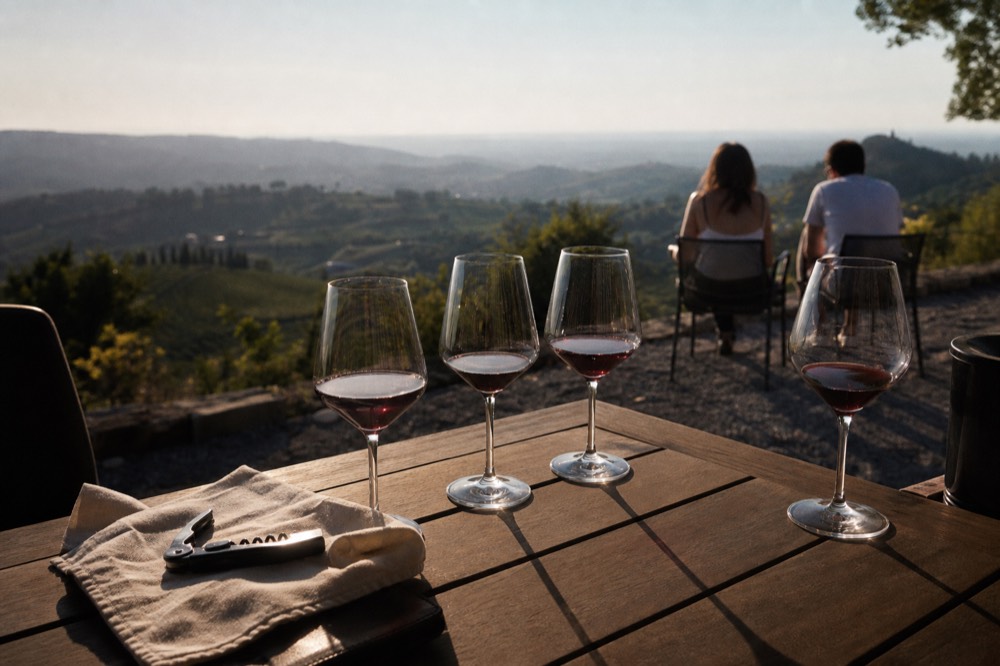
The ladder is the reason Verona Wine Tours exists as a site at all: nowhere else in Italy can you taste four legally distinct styles, from light red to dried-grape giant, poured from the same three grapes within a 20-minute drive of your hotel. Pick one afternoon, book the flight, and the denomination stops being a label puzzle and becomes a story you can taste.
Valpolicella is a family of dry red wines from the hills north-west of Verona, built on Corvina, Corvinone and Rondinella and produced in four legal styles of rising weight: the fresh base wine, the aged Superiore, the Ripasso re-fermented on Amarone skins, and the dried-grape Amarone, with sweet Recioto completing the set. These are the questions visitors ask most often.
Common questions about Valpolicella wine
What kind of wine is Valpolicella?
Valpolicella is a red wine family from the hills north-west of Verona, made mainly from Corvina, Corvinone and Rondinella. It ranges from a light, cherry-scented everyday red to Amarone, a dense dry wine made from dried grapes, plus the sweet Recioto. It is not a single wine but a ladder of four styles from the same hillside.
What are the four types of Valpolicella?
Valpolicella DOC (fresh, min 11% alcohol), Valpolicella Superiore (min 12%, aged at least one year), Valpolicella Ripasso DOC (min 12.5%, re-fermented on Amarone marc) and Amarone della Valpolicella DOCG (min 14%, from dried grapes, aged two years). Sweet Recioto della Valpolicella DOCG uses the same dried-grape method but keeps its sugar.
Is Valpolicella the same as Amarone?
No. Amarone is one of the Valpolicella styles, the top rung. Plain Valpolicella is a fresh, light red fermented from freshly picked grapes; Amarone is made from the same grapes dried for about three to four months, which concentrates sugar and flavour and pushes the wine to at least 14% alcohol.
What does Ripasso mean on a Valpolicella label?
It means the base wine was re-fermented, one time only, on the skins left over from making Amarone or Recioto. The marc must add 10-15% of liquid volume, and the finished wine must reach at least 12.5% alcohol. The result is richer and darker than plain Valpolicella but lighter and cheaper than Amarone.
What grapes are used in Valpolicella wine?
Corvina and/or Corvinone must make up 45-95% of the blend, Rondinella 5-30%, and other permitted red grapes up to 25% in total, with a 10% cap on any single variety. The same blend applies to every style from the base wine to Amarone.
Is Valpolicella a sweet wine?
The four main styles are all dry. Only Recioto della Valpolicella, the historic sweet wine the region grew from, keeps its residual sugar, with a minimum 2.8% potential alcohol left unfermented. Amarone is legally dry, capped at 9 g/l of residual sugar at 14% alcohol.