What does Amarone mean in Italian?
Amarone means the great bitter one: the story of a sweet Recioto that fermented dry, the Bertani connection, and the rules that turned an accident into a DOCG.
What does Amarone mean in Italian?
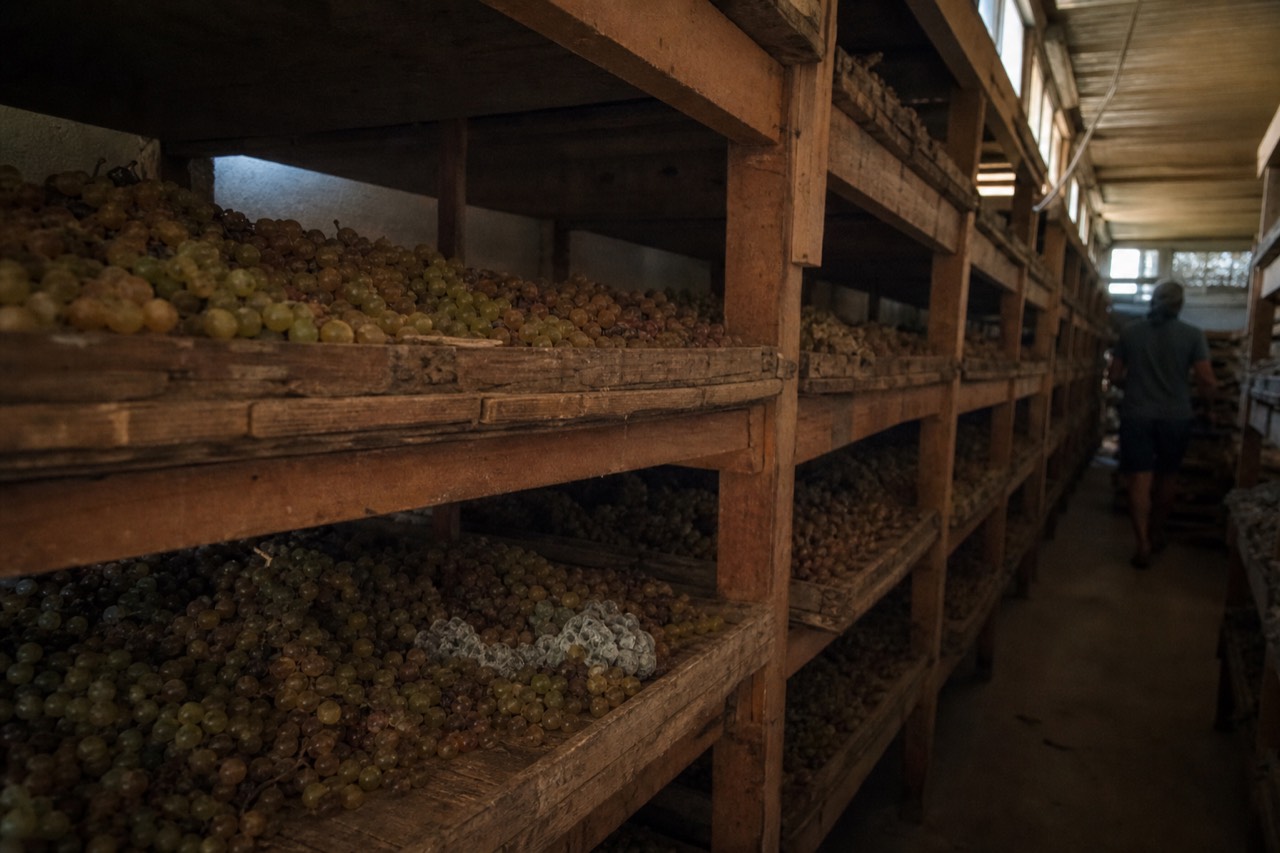
Amarone means "the great bitter one" in Italian, from "amaro", the word for bitter. The name was given to a batch of Recioto della Valpolicella, a sweet wine, that accidentally fermented all the way to dryness in a Valpolicella cellar in the 1930s. Tasters called the unexpectedly dry result "the great bitter one", and the word stuck to the wine that is now one of Italy's most famous reds.
The name is a joke that became a label. Recioto, the sweet wine made from dried Corvina and Rondinella grapes, was the pride of the Valpolicella hills for centuries, and a batch that went dry was traditionally seen as a failure. Somewhere in the 1930s a cellar full of Recioto went further than the winemaker wanted: the yeasts kept working, consumed the sugars, and left a powerful, dry, slightly bitter wine behind. Rather than discard it, the estate tasted it, named it, and started making it on purpose.
That flip, from mistake to flagship, is what makes the word interesting. Italian wine names usually describe a place, a grape or a colour. Amarone describes a taste that nobody had asked for, the dry bitterness that replaced the sweetness, and it does so with a diminutive turned up to maximum: not just "amaro" but "amarone", the big bitter one. Locals sometimes shorten the story further and call the wine "el Signor Amarone", the gentleman, a nod to how far it had climbed from its humble origin.
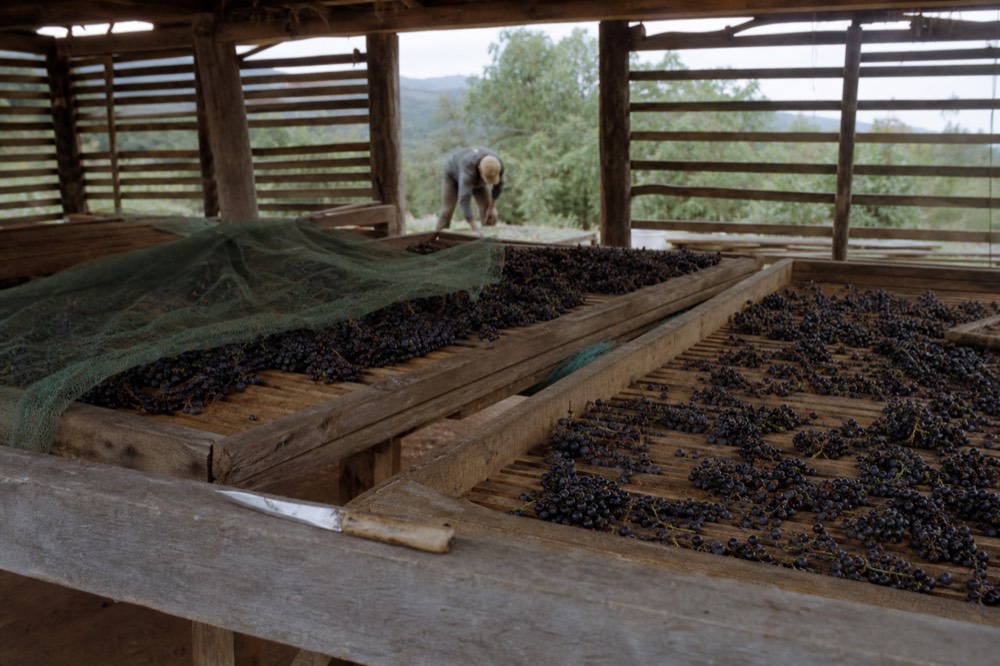
The wine behind the word has strict rules now. Grapes for Amarone are dried in lofts, a process called appassimento, then pressed no earlier than 1 December and aged for at least two years, four for a Riserva. The full technical picture, from the 65 percent drying cap to the minimum 14 percent alcohol, lives in our Amarone wine explained guide, which owns the deep dive. This page tells the story of the name itself, and it is a story best understood with a glass in hand.
If the story makes you want to stand in the cellar where this style of wine matured, these are the three tours that fit it best:
Who is the godfather of Amarone?
The Bertani estate is the name most often attached to the birth of Amarone, and the family is the closest thing the wine has to a godfather. The story told in Valpolicella credits a Bertani cellar in the 1930s with the batch of Recioto that fermented dry and earned the "great bitter one" nickname. Bertani then developed and promoted the wine, and the estate's name has been tied to Amarone's identity ever since.
The detail that survives every retelling is the forgotten barrel. In the version usually given, a cask of Recioto was set aside and overlooked, and by the time anyone returned to it the wine had fermented to complete dryness. Someone tasted the accident and called it "amarone", and instead of pouring it away the estate decided the mistake deserved a second look. Bertani's role in the decades after was to take that accident seriously: to refine the drying, the long fermentation and the aging that turn shrivelled grapes into a wine of real structure.
The 1930s setting matters. Valpolicella in that period was rebuilding after phylloxera and the First World War, and Recioto was still the commercial star. A dry wine from dried grapes was commercially odd, hard to place, and expensive to make, since drying grapes shrinks the volume dramatically. That a producer pushed it anyway is the reason the word exists on bottles today rather than dying as a cellar anecdote. It also helps explain why the wine kept its slightly defiant name: nobody needed to flatter a wine that was never supposed to exist.
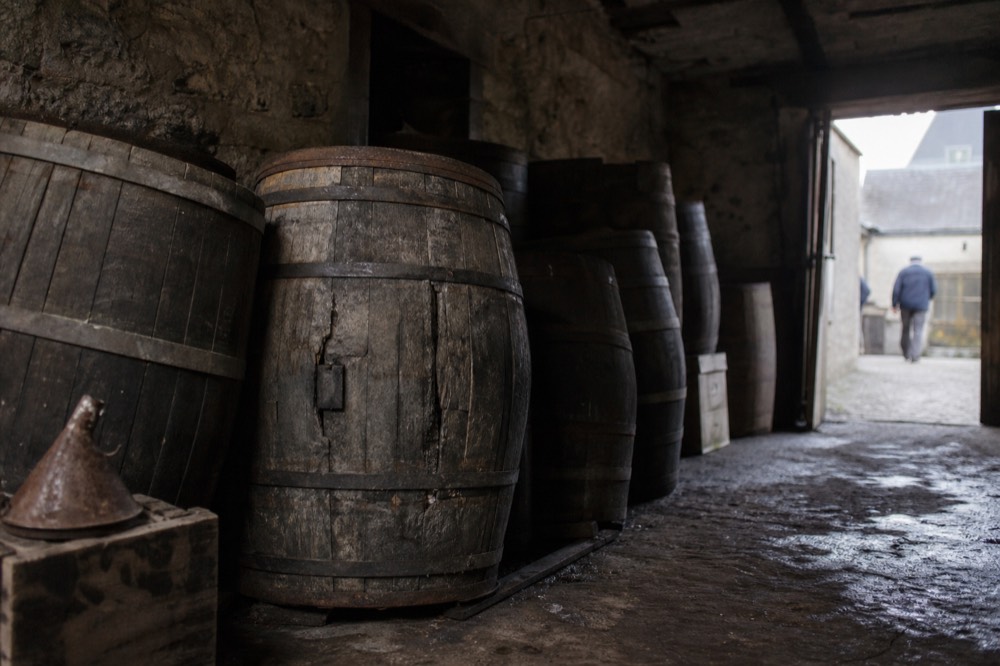
You can still visit the world of that story. The Bertani family villa in Marano di Valpolicella, about 18 km and 25 minutes from central Verona, hosts a shared cellar tour with a sommelier-led tasting of four or six wines, with optional cheese and charcuterie, from $42 per person (checked September 2026). It is the cheapest Amarone cellar visit in our set and the natural place to see how a historic estate presents the style. It often sells out, and the duration is on the listing; check the listing for the pickup option, as the listing mentions pickup and drop-off without promising hotel pickup.
Should you taste the story at its source?
How did a forgotten barrel become a DOCG?
Recognition came slowly, then all at once. Amarone spent decades as a variant of Recioto before becoming a DOC in its own right, and in 2010 it was elevated to DOCG, Italy's highest classification, alongside Recioto della Valpolicella. The accident of the 1930s ended up with the same legal protection as Barolo and Brunello.
The gap between the name and the paperwork is the interesting part. A word coined as a joke in a cellar had to wait for the Italian appellation system to catch up with what producers were actually making. Once the DOC existed, the rules codified what Bertani and others had worked out by hand: which grapes, how much could be dried, how long the wine had to age. The 2010 DOCG step added the guarantee that every bottle labelled Amarone comes from the defined zone and follows the full disciplinare, the production rules published by the Italian agriculture ministry.
The timeline of the word runs roughly like this:
| Period | What happened |
|---|---|
| 1930s | A batch of Recioto ferments dry in a Valpolicella cellar; the "great bitter one" nickname is born, with the Bertani estate most often credited |
| 2010 | Amarone della Valpolicella is elevated to DOCG status, the top tier of Italian wine law |
| 2025 | Final Consorzio figures show 13.58 million bottles of Amarone and Recioto, down 2.4 percent |
| 2026 | The Region cuts the harvest yield cap to 10 t/ha; the harvest starts about two weeks early in late August |
The 2010 DOCG is the reason the name now carries weight on a label. Under Italian law, a DOCG wine is tested, traced and geographically locked, and tampering with the name is a legal matter, not just a marketing one. The full comparison between the four Valpolicella styles, from the basic DOC to Recioto, is laid out in our Ripasso and Recioto explained guide, which covers the sweet ancestor in detail.
For tasting the same ladder the story is built on, the small-group half-day from Verona pours at least four Valpolicella wines, the full ladder from Valpolicella through Ripasso and Amarone to Recioto, with bread, cheese and salami, from $105 per person (checked September 2026). It often sells out, and it is the one to name when you want to taste the sweet original and the "great bitter one" side by side.
What are the rules behind the name?
The rules behind Amarone are short to list and hard to follow. Corvina and Corvinone must make up 45 to 95 percent of the blend with Rondinella at 5 to 30 percent, no more than 65 percent of the crop may be dried, pressing cannot happen before 1 December, and the wine must age at least two years and reach at least 14 percent alcohol.
Every clause exists to keep the accident repeatable. The grape rule keeps the local varieties that survive months of drying. The drying cap stops producers from turning the whole harvest into Amarone. The December pressing date guarantees the grapes have actually dried, roughly three to four months on racks in ventilated lofts. The aging minimum gives the big, dry, slightly bitter wine the time it needs to settle.
| Rule | Requirement |
|---|---|
| Grapes | Corvina and/or Corvinone 45-95%; Rondinella 5-30% |
| Vineyard yield | Max 12 t/ha (Region cut it to 10 t/ha for the 2026 harvest) |
| Drying | Max 65% of the permitted crop set aside to dry |
| Pressing | Not before 1 December after the harvest |
| Aging | Min 2 years from 1 January after harvest; Riserva 4 years |
| Alcohol | Min 14% vol; grape-to-wine yield max 40% |
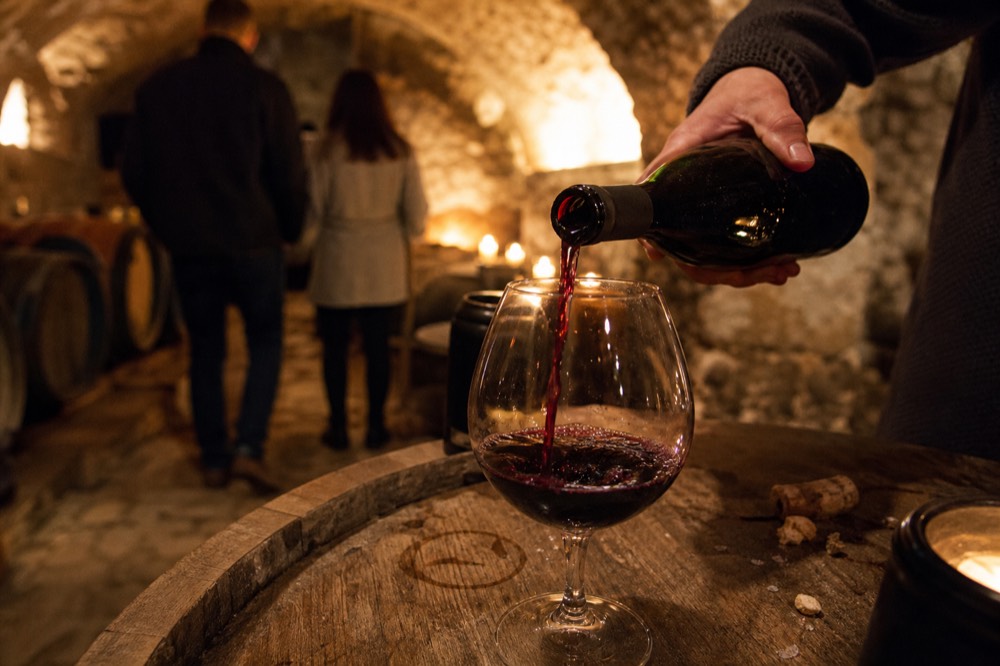
Those rules explain the price tag better than any marketing does. Drying shrinks the fruit, the 40 percent grape-to-wine yield shrinks it again, and two years in barrel shrinks the producer's cash flow. Our piece on why Amarone is so expensive walks through the economics; the short version is that the name describes a wine that is expensive to make even before anyone tastes it.
The rules also explain why the wine tastes the way it does. Concentrated dried fruit, high alcohol, firm tannin and that faint bitter edge on the finish: the amarone character the name promised in the 1930s is now guaranteed by law. The official production rules are published by the Italian agriculture ministry at the MASAF disciplinare page for Amarone della Valpolicella.
Reading the rules in a cellar makes them land differently, and the Bertani family villa tour is the one that pairs the story with the tasting flight: a sommelier-led visit with four or six wines, from $42 per person (checked September 2026), often selling out, so book ahead.
Can you taste the story where it happened?
Yes, and the most complete way is a private full day in Valpolicella. A private tour from a Verona meeting point runs full red-wine tastings with a minimum of two Ripasso and two Amarone, plus a full lunch paired with wine, from $419 per person; the live listing has the current figure. (checked September 2026)
A private format suits this story because the details are what make it. Standing over the drying racks, hearing how long the grapes rest, tasting a Ripasso next to the Amarone whose marc it was passed over: these are the beats of the 1930s accident explained in the present tense. The private full day covers that arc, and the lunch shows why the wine earned its place at the table rather than staying a cellar curiosity.
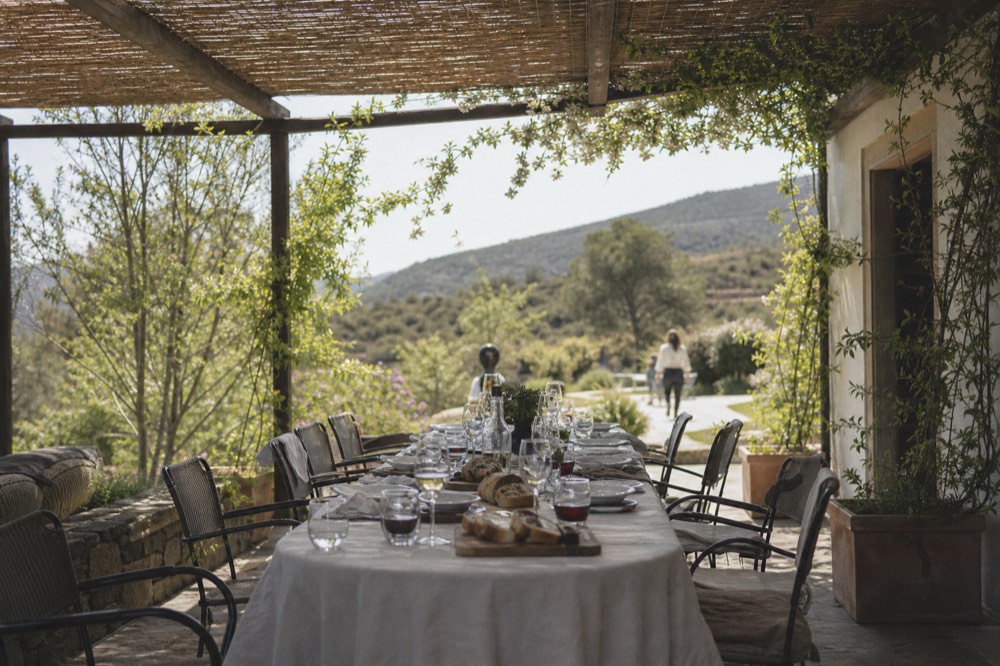
For planning around the visit itself, the practical norms are stable: reservation is the rule at Valpolicella estates, most are open Monday to Saturday, and standard cellar tours with tastings usually run about EUR 25-80 per person, with premium, vertical and lunch formats at EUR 100-150, so check the room before you go. Quintarelli and Dal Forno, the zone's most famous names, have no walk-in programme at all, which is another reason a guided tour is the reliable route in.
The name, in the end, is the best marketing a mistake ever got. A wine called "the great bitter one" because it failed to be sweet now sells as one of Italy's flagship reds, and every bottle carries the accident forward. Whether you taste it in a historic villa cellar, on a half-day ladder of four styles, or over a long private lunch, you are drinking the punchline to a 1930s cellar joke that turned out to be a masterpiece.
Here are the three tours that tell the story best:
The questions below cover the essentials of the name: what Amarone means in Italian, who the godfather of the wine was, why a sweet wine's failure became a flagship, and when the accident received DOCG protection. Each answer keeps to the verified facts, from the 1930s nickname to the 2010 classification.
Common questions about Amarone's name
What does Amarone mean in Italian?
Amarone means "the great bitter one", from "amaro", the Italian word for bitter. The name was given to a batch of sweet Recioto that accidentally fermented dry in a Valpolicella cellar in the 1930s, and it stuck to the wine that is now a DOCG.
Who is the godfather of Amarone?
The Bertani estate is the name most often credited with the birth of Amarone. The story holds that a cask of Recioto fermented dry in a Bertani cellar in the 1930s, was nicknamed "the great bitter one", and was then developed and promoted by the family rather than discarded.
Is Amarone a sweet wine?
No. Amarone is fully dry, with a maximum of 9 g/l residual sugar at 14 percent alcohol. The sweet wine it came from is Recioto della Valpolicella, which stops fermenting early and keeps its sugar; the two are covered side by side in our Ripasso and Recioto guide.
Why is Amarone bitter?
The bitterness the name refers to is the dry, slightly bitter finish left when a wine meant to be sweet fermented all the way through. Dried Corvina and Rondinella grapes, high alcohol and firm tannins give the modern wine a similar firm edge, which is why the old joke still fits the taste.
When did Amarone become a DOCG?
Amarone della Valpolicella was elevated to DOCG status in 2010, after decades as a DOC in its own right. The DOCG is Italy's highest classification and legally locks the grapes, the drying process and the aging minimums described above.
Can you visit the cellar where Amarone was born?
You can visit the estate world of the story. The Bertani family villa in Marano di Valpolicella hosts a shared cellar tour with a sommelier-led tasting of four or six wines, from $42 per person (checked September 2026); it often sells out, so book ahead. On Verona Wine Tours you can compare it with half-day and private Amarone options from Verona.